
 Back
Back





HIGH COURT OF JUDICATURE AT ALLAHABAD
J.J. MUNIR, TARUN SAXENA, JJ.
Hari Prasad Pandey And Others - Appellants
Versus
State of U.P. - Respondent
CRIMINAL APPEAL No. - 818 of 1985
Decided On : 05-05-2026
| Table of Content |
|---|
| 1. factual background, procedural history, and framing of charges. (Para 1 , 2 , 3 , 4 , 5 , 6 , 7 , 8 , 9 , 10 , 11 , 12 , 13 , 14) |
| 2. establishing timeline, geographic location, and sequence of events. (Para 15 , 16 , 17 , 18 , 19 , 20 , 21 , 22 , 23 , 24) |
| 3. credibility of natural eyewitnesses despite existing enmity. (Para 25 , 26 , 27 , 28 , 29 , 30 , 31 , 32 , 33 , 34) |
| 4. consistency of ocular evidence with medico-legal autopsy reports. (Para 35 , 36 , 37 , 38 , 39 , 40 , 41 , 42 , 43 , 44 , 45 , 46 , 47 , 48 , 49 , 50 , 51 , 52 , 53 , 54 , 55 , 56 , 57 , 58 , 59 , 60 , 61 , 62 , 63 , 64 , 65 , 66 , 67 , 68) |
| 5. irrelevance of motive in cases established by credible direct evidence. (Para 69 , 70 , 71 , 72) |
| 6. evaluation of retracted testimony and impermissibility of witness flip-flops. (Para 73 , 74 , 75 , 76 , 77 , 78 , 79 , 80 , 81 , 82 , 83 , 84 , 85 , 86 , 87 , 88 , 89 , 90 , 91 , 92) |
| 7. constructive liability and application of section 149 ipc for unlawful assembly. (Para 93 , 94 , 95 , 96 , 97 , 98 , 99 , 100 , 101 , 102 , 103 , 104 , 105 , 106 , 107 , 108) |
| 8. final dismissal of appeal and order for surrender. (Para 109 , 110) |
JUDGMENT :
J.J. Munir, J.
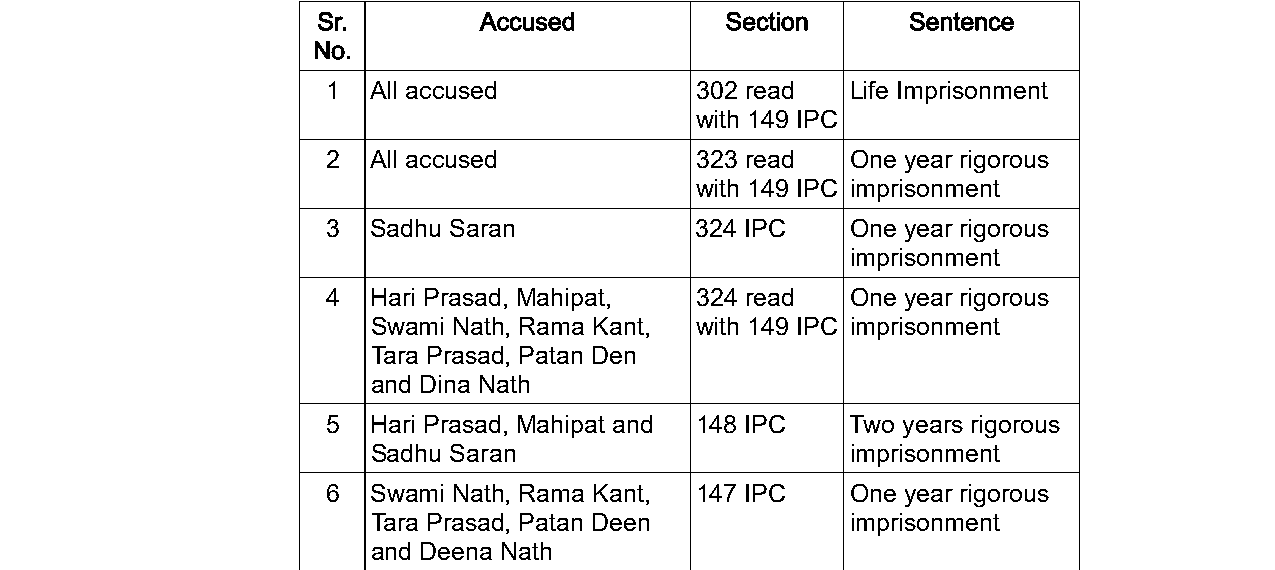
1. This appeal, though preferred by the eight convicts, who were tried before the Sessions Judge of Basti in Sessions Trial No.159 of 1984, and all convicted under Sections 302 read with Section 149 of the Indian Penal Code, 1860 (for short, 'IPC'), one alone of them, that is to say, Ramakant, survives to pursue it. The other seven convicts have died pending appeal at different points of time. The appeal was ordered to abate on behalf of each of the seven deceased convicted appellants vide order dated 24.11.2025. The appeal was heard on the said day at the instance of Ramakant alone.
2. This appeal is directed against the judgment and order of Mr. K. Narayan, the then Sessions Judge, Basti dated 21.03.1985, convicting the appellant, along with others, for the offence punishable under Section 302 read with Section 149 IPC and sentencing him to imprisonment for life, besides other counts, in regard to which term sentences were variously awarded, some to the deceased-appellants and others to the appellant, as would hereinafter be detailed.
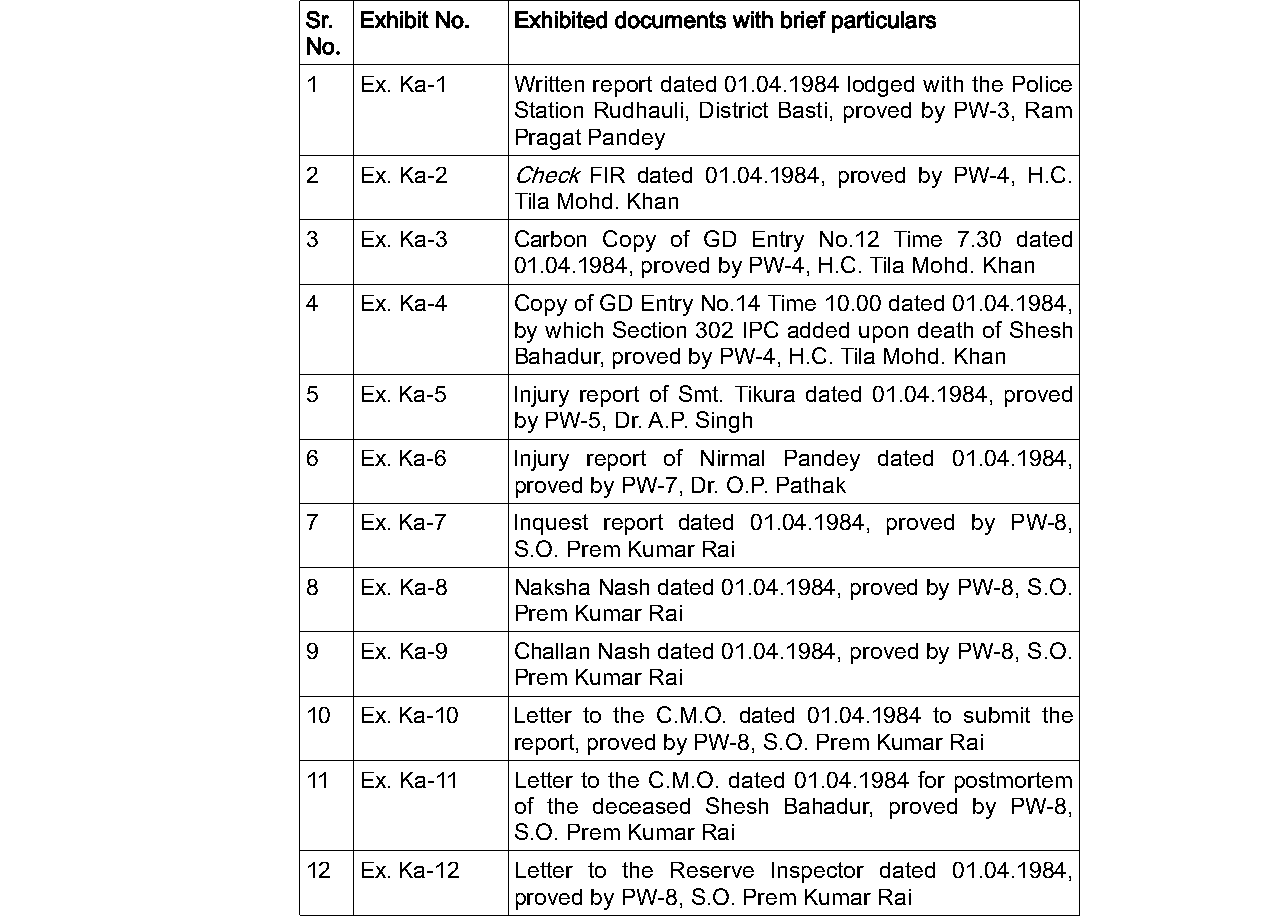
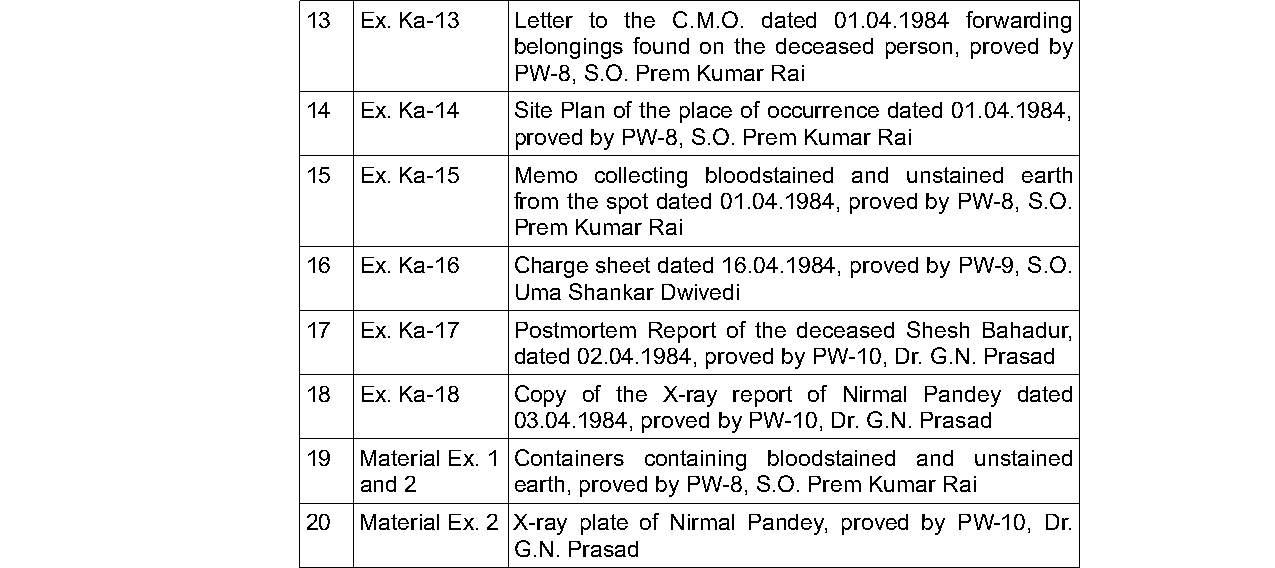
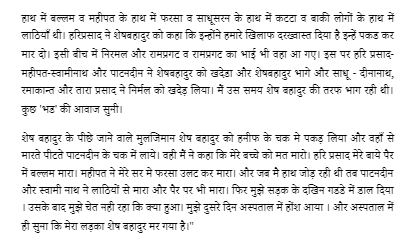
3. A First Information Report ('FIR' in short) was lodged by Ram Pragat Pandey son of Nirmal Pandey on 01.04.1984 at 6.30 a.m. regarding an incident, that happened earlier in the day at 6.30 a.m., giving rise to Crime No.49 of 1984, under Sections 147, 148, 149, 307, 324, 323 IPC, Police Station Rudhauli, District Basti. According to the first informant, elections to the office of Pradhan of the Village were held, wherein the then sitting Pradhan Hari Prasad Pandey faced contest from Rammurat Chaudhary. Shesh Bahadur Chauhan and the informant's family had openly supported Rammurat Chaudhary and assisted him, leading the then Village Pradhan Hari Prasad to harbour ill-will against Shesh Bahadur Chauhan and the informant's family. In the night intervening 27/28.03.1984, Hari Prasad, Swami Nath, Deena Nath and Patandeen, burgled in Shesh Bahadur's house, leading to the registration of an FIR against them on 28.03.1984. This infuriated the four men last mentioned, making them go after Shesh Bahadur Chauhan and the informant's family. Harbouring the aforesaid animosity, in the morning hours of 01.04.1984 at 6.30 a.m., according to the informant, when he and his father had gone to their chak, located on the northern side of the village, and were about their task of harvesting, and Shesh Bahadur and his mother were at their shop near the informant's chak, Hari Prasad Pandey, Mahipat Pandey, Swami Nath Pandey, Deena Nath Pandey, Ramakant Pandey, Tara Prasad Pandey, Patandeen Chauhan and Sadhu Saran arrived there variously armed. Hari Prasad Pandey was carrying a spear, Mahipat Pandey a Farsa, Sadhu Saran a country-made pistol, whereas all others were wielding sticks (lathi-danda). All these men, with a common object, alighted at Shesh Bah





AI


The prosecution must establish a common object for unlawful assembly under Section 149 IPC; absence of motive and specific allegations can lead to acquittal.

The court affirmed the conviction for murder based on the established common object of the unlawful assembly, supported by credible witness testimonies and medical evidence.

Point of Law : Unlawful assembly – Common object - No doubt section 149 IPC is wide in its sweep but in fixing the membership of the unlawful assembly and in inferring the common object various circu....

The court affirmed the conviction of the appellants under sections 147, 148, 149/307, and 149/302 IPC, establishing that they formed an unlawful assembly with a common object to cause harm, leading t....

The main legal point established in the judgment is the application of Section 149 IPC to determine the common object of the unlawful assembly and the vicarious liability of the accused, as well as t....

Conviction for murder upheld based on unlawful assembly doctrine; presence in assembly sufficient for accountability under Section 149 IPC.



An indispensable Tool for Legal Professionals, Endorsed by Various High Court and Judicial Officers
Please visit our Training & Support
Center or Contact Us for assistance

Scan Me!
India’s Legal research and Law Firm App, Download now!


For Daily Legal Updates, Join us on :



 Back to top


