


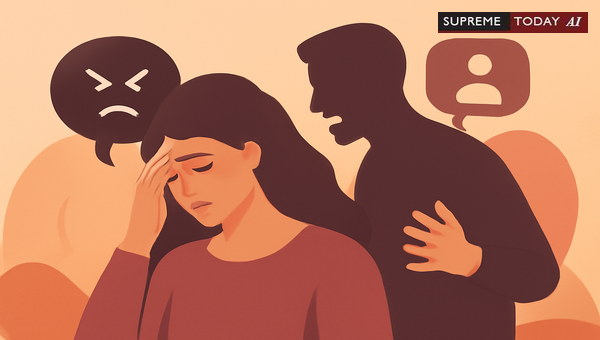
False Allegations & : Under DV Act
In the realm of family law, emotional and psychological harm often lurks unseen, yet its impact can be devastating. A pressing legal question arises: Do false allegations of mental illness and of the wife amount to under ? This issue strikes at the heart of protections in India, where verbal and emotional attacks can erode a person's dignity and mental health just as profoundly as physical violence.
This blog post delves into the legal framework, judicial interpretations, and practical implications. While this is general information based on statutes and precedents—not specific legal advice—understanding these concepts empowers individuals facing such challenges. Consult a qualified lawyer for personalized guidance.
Understanding Under
The (DV Act), provides robust safeguards for , primarily women in domestic relationships. Section 3 defines expansively, encompassing not just physical harm but also acts that harm, harass, or threaten the mental or physical well-being of the victim. 2013 8 Supreme 122
explicitly includes verbal and , such as insults, ridicule, humiliation, and repeated threats that cause mental suffering or emotional distress. 2013 8 Supreme 122 This broad scope recognizes that can be as damaging as bruises, targeting the victim's psyche and social standing.
False allegations of mental illness—claiming a wife is unstable or unfit—and , like accusing her of immorality or infidelity, fit squarely within this definition. Such conduct harms or endangers her mental well-being, constituting . 2013 8 Supreme 122
Key Judicial Recognition of
Courts have consistently interpreted under the DV Act to include psychological harm. The wider interpretation of now embraces and as integral components. 2013 8 Supreme 122
In matrimonial disputes, similar principles apply. The in Neela Vijay Kumar Bhate v. Vijay Kumar Bhate (AIR 2003 SC 2462) held that when the assassination of character is made by either of the parties it would constitute a for divorce under . 2023 Supreme(Online)(Chh) 11496 This precedent underscores how false allegations damage reputation and induce emotional distress.
Further, averments, accusations and of the wife by the appellant husband in the written statement constitutes for sustaining divorce claims. 2020 0 Supreme(Gau) 81 2019 0 Supreme(SC) 1301 Courts emphasize that such acts need not be physical; mental torture suffices. 2021 Supreme(Online)(Chh) 2644
These rulings from family law contexts bolster DV Act applications, as , including verbal abuses and character defamation, impacts mental health profoundly. 1995 0 Supreme(AP) 311
as Harassment
covers harassment to coerce unlawful demands, extending to conduct degrading dignity. Falsely alleging mental illness or character defects threatens mental health, aligning with harassment, harm, or threats. 2013 8 Supreme 122
Precedents affirm: The question that requires to be answered first is as to whether the averments, accusations and by the wife in the written statement whether would constitute a —and courts answer yes when grave. 2023 0 Supreme(Chh) 378 Public abuse or doubts on character exacerbate this. 2023 Supreme(Online)(MP) 27235
Linking to DV Act
under the Hindu Marriage Act mirrors DV Act . False accusations of illicit relations, mental illness, or character defamation constitute cruelty, justifying divorce and remedies. They cause social stigma, strained relations, and diagnosed mental health issues. 2023 Supreme(Online)(Chh) 11496 2023 0 Supreme(Chh) 378 2023 0 Supreme(Del) 2400
Courts award compensation for mental torture from such abuse, recognizing emotional and psychological distress without physical violence. 2024 0 Supreme(Bom) 1183 2024 Supreme(Online)(Bom) 7045
In DV proceedings, persistent, malicious attacks meet the threshold, unlike trivial remarks. The overall facts and circumstances determine this. 2013 8 Supreme 122
Exceptions and Threshold for
Not every discord qualifies. Conduct must be grave and weighty, causing significant mental suffering. Isolated comments may not suffice, but repeated false allegations aimed at degradation do. 2013 8 Supreme 122
- Trivial vs. Severe: Petty arguments differ from sustained campaigns of defamation.
- Context Matters: Public humiliation or legal filings amplify harm. 2023 0 Supreme(Chh) 159
- Proof Required: Victims must substantiate with evidence like messages, witnesses, or medical records.
Practical Recommendations for Victims
If facing such abuse:- Document Everything: Record instances of allegations, dates, and impacts on health.- Seek Protection Orders: File under DV Act for residence, maintenance, and restraining orders.- Build Awareness: Legal programs highlight scope. 2013 8 Supreme 122
Courts urge broad interpretation of Section 3 to protect mental health. 2013 8 Supreme 122
Conclusion and Key Takeaways
False allegations of mental illness and typically amount to under , as they harass, harm, and threaten the wife's mental well-being. Supported by statutes and precedents like Neela Vijay Kumar Bhate, these acts constitute actionable . 2013 8 Supreme 122 2023 Supreme(Online)(Chh) 11496
Key Takeaways:- includes verbal attacks causing psychological harm.- Judicial precedents equate with .- Victims should document and seek prompt legal aid.- Broader protections empower against invisible violence.
This evolving jurisprudence prioritizes holistic well-being. For tailored advice, consult a family law expert.
References:1. 2013 8 Supreme 122: Broad DV definition.2. 1995 0 Supreme(AP) 311: analysis.3. 2023 Supreme(Online)(Chh) 11496, 2023 0 Supreme(Chh) 378, etc.: precedents.
#DVAct #EmotionalAbuse #MentalCruelty















