


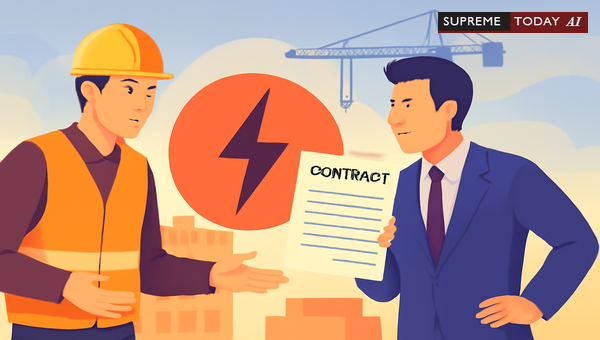
Common Contractor-Owner Disputes in Infrastructure Projects
Infrastructure projects are the backbone of economic development, but they often become battlegrounds for disputes between contractors and owners. From massive highways to urban bridges, these large-scale endeavors involve complex contracts, tight timelines, and substantial investments. Typical disputes between contractor and owner in infrastructure projects can derail progress, inflate costs, and lead to lengthy legal battles. Understanding these common pitfalls is essential for stakeholders to mitigate risks and ensure project success.
In this post, we'll dive into the most frequent issues, backed by legal precedents and frameworks, while integrating insights from relevant cases. Note that this is general information and not specific legal advice—consult a qualified attorney for your situation.
Overview of Disputes in Infrastructure Projects
Disputes typically stem from contract execution, payment discrepancies, and compliance failures. Owners (often government entities or developers) and contractors clash over interpretations of terms, unforeseen changes, or performance shortcomings. These conflicts can escalate quickly without clear communication and documentation.
Key triggers include payment delays, scope variations, and termination decisions. Legal documents highlight that such issues are prevalent, with courts frequently addressing claims for unpaid work or wrongful actions. 2011 0 Supreme(Mad) 4277
Common Types of Disputes
1. Payment Issues
Payment disputes are among the most common, often involving non-release of dues for completed work or price adjustments. Contractors frequently claim compensation for actual work done, but owners withhold payments citing defects or incomplete milestones.
For example, claims arise when payments are not released timely, leading to cash flow crises for contractors. 2011 0 Supreme(Mad) 4277 Loss of profit claims also surface, especially post-premature termination, though these require robust evidence of foregone earnings. 2022 0 Supreme(Mad) 3590
In one case, non-handing over of work fronts by the owner at multiple sites compounded payment woes, as contractors couldn't proceed without site access or approved drawings. 2022 Supreme(Online)(DEL) 5020
2. Contractual Compliance and Variations
Disagreements over work scope variations or time extensions are rife. Contractors seek engineer certification for extra work or delays, but owners challenge these valuations.
- Variations and Extensions: Engineers' decisions on additional time or costs often spark conflict, with contractors alleging bias. 2012 0 Supreme(Cal) 26 2011 0 Supreme(Mad) 4277
- Quality of Work: Owners reject payments if work falls short of standards, leading to remediation demands.
Additional sources reveal non-supply of approved drawings by owners, halting progress and fueling claims. 2022 Supreme(Online)(DEL) 5020
3. Termination of Contracts
claims occur when owners end contracts without due process or just cause. Contractors argue for compensation, contesting the owner's actions as .
Courts scrutinize termination validity, emphasizing adherence to contractual procedures. 2014 7 Supreme 203 In government contracts, penalties for delays must follow legal protocols, or demands for withheld amounts may be set aside. 2014 0 Supreme(Jhk) 890
4. Role of Engineers and Bias Allegations
Engineers certify payments and extensions, but perceived bias leads to disputes. Contractors may claim engineers favor owners, undermining fair resolution. 2011 0 Supreme(Mad) 4277
Legal Framework for Dispute Resolution
Most infrastructure contracts mandate structured resolution to avoid courts. Here's a breakdown:
Settlement Procedures
of standard NITs requires initial company-level settlement. Contractors must submit written requests to the Engineer-in-Charge within of dispute arising, or claims are barred.
It is incumbent upon the contractor to avoid litigation and disputes during the course of execution. However, if such disputes take place between the contractor and the department, effort shall be made first to settle the disputes at the company level. 2022 0 Supreme(SC) 1761 2022 0 Supreme(Jhk) 996
Failure to request settlement timely forfeits claims. 2014 0 Supreme(Jhk) 1154
Arbitration Mechanisms
Unresolved disputes proceed to arbitration under the . Contracts often include clauses specifying arbitrators, but validity hinges on clear intent.
An arbitration agreement must demonstrate a clear intention and obligation to refer disputes to arbitration, as per the essential attributes outlined in Section 7 of the Arbitration and Conciliation Act. 2022 0 Supreme(SC) 1761
Courts appoint arbitrators under if clauses exist and conciliation fails. 2022 0 Supreme(Jhk) 996 However, vague clauses may invalidate proceedings, directing parties to other remedies. 2022 0 Supreme(SC) 1761
Disputes over —e.g., —invite judicial intervention. 2022 0 Supreme(Cal) 430 1994 0 Supreme(SC) 676
Judicial Oversight and Special Cases
Courts oversee arbitration, quashing biased appointments or enforcing decisions. In scenarios under acts like , employers can't block payments via main contractor agreements.
An Employer cannot rely on a Dispute Resolution Agreement to oppose a 's Application under .
Government contracts stress avoiding litigation, with two-stage resolutions before escalation. 2014 0 Supreme(Jhk) 890
Insights from Recent Cases
- Site Access Delays: Owners' failure to hand over sites or drawings obligations, justifying extensions and claims. 2022 Supreme(Online)(DEL) 5020
- : Even in , steps protect ongoing interests, but disputes persist. 2024 Supreme(Online)(DEL) 8966
- Penalty Impositions: Terminations or penalties without procedure are invalid. 2014 0 Supreme(Jhk) 890
These cases underscore documentation's role—letters, certifications, and timelines are crucial evidence.
Prevention Strategies and Best Practices
Proactive measures reduce disputes:- Clear Communication: Regular updates prevent misunderstandings.- Robust Documentation: Record all changes, approvals, and delays meticulously.- Contract Review: Understand clauses on variations, payments, and arbitration upfront.- Early Escalation: Adhere to 30-day notice periods for claims. 2023 0 Supreme(Jhk) 800 2024 0 Supreme(Cal) 10
Both parties benefit from collaborative approaches, like joint audits or neutral third-party reviews.
Conclusion and Key Takeaways
Typical disputes between contractors and owners in infrastructure projects—ranging from payments and variations to terminations and arbitration—highlight the need for vigilance. By leveraging legal frameworks like the Arbitration Act and standard clauses, parties can resolve issues efficiently.
Key Takeaways:- Document everything to substantiate claims.- Follow settlement timelines strictly.- Seek arbitration only after internal efforts fail.- Engage experts early to interpret engineer decisions.
Ultimately, fostering trust through transparency minimizes litigation risks, ensuring projects deliver on time and budget. For tailored guidance, consult legal professionals familiar with construction law.
References: 2023 0 Supreme(Jhk) 800 2022 0 Supreme(Mad) 3590 2024 0 Supreme(Cal) 10 2022 0 Supreme(Cal) 430 2014 7 Supreme 203 1994 0 Supreme(SC) 676 2011 0 Supreme(Mad) 4277
2022 Supreme(Online)(DEL) 5020 2024 Supreme(Online)(DEL) 8966
2022 0 Supreme(SC) 1761 2022 0 Supreme(Jhk) 996 2014 0 Supreme(Jhk) 1154 2014 0 Supreme(Jhk) 890 #ConstructionDisputes, #InfrastructureLaw, #ContractorDisputes















