


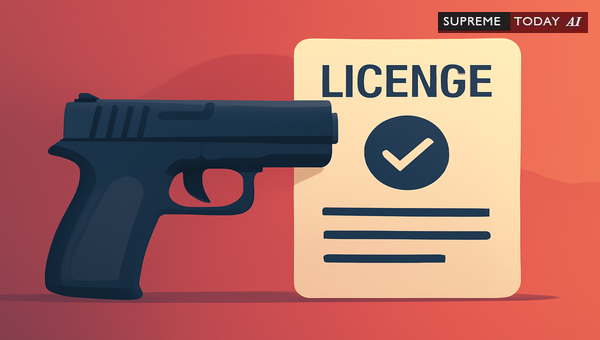
Is Keeping Lethal Weapons Legal in India? Key Laws Explained
In an era where personal safety concerns are rising, many Indians wonder: Is keeping lethal weapons legal in India? The answer isn't a simple yes or no. While the right to self-defense is recognized, strict regulations govern the possession of firearms, knives, and other deadly instruments. This blog post breaks down the legal framework, drawing from the , Arms Act, and key case laws to provide clarity. Note: This is general information, not legal advice. Consult a qualified lawyer for personalized guidance.
What Constitutes a ?
A is defined as any instrument capable of causing death or serious bodily harm when used as intended. This includes firearms, swords, knives, choppers, and even axes if wielded lethally. The term emphasizes the weapon's deadly potential. For instance, : A weapon that is capable of causing death or serious bodily harm when used as intended. This includes firearms, knives, and other instruments designed for inflicting harm. 2020 0 Supreme(Del) 874 2016 0 Supreme(Mad) 3331
Courts assess lethality based on the weapon's nature, condition, and manner of use. Non-lethal tools like sticks may become deadly in context, but typically, guns, pistols, revolvers, swords, spears, and daggers are flagged as more fatal than lathis or fists. 2022 0 Supreme(All) 922
The Legal Framework Governing Possession
The IPC doesn't outright ban possession but regulates use in crimes. addresses with deadly weapons, where a weapon qualifies as deadly if intended to cause death. Possession alone isn't criminalized, but using it violently triggers severe penalties. 2020 0 Supreme(Del) 874
This is the cornerstone for firearms and ammunition. Licenses are mandatory for possession, granted at the discretion of authorities based on the applicant's fitness, threat assessment, and genuine need. Without a license, keeping even a single firearm is illegal, punishable by imprisonment and fines. 2014 0 Supreme(All) 124 2011 0 Supreme(All) 1953
The Act balances public safety with self-defense rights, but licenses can be denied if misuse is feared. 2014 0 Supreme(All) 124 1991 0 Supreme(All) 651
Case Law Insights on Lethal Weapons
Indian courts frequently interpret lethal weapons in criminal cases, often linking possession to intent.
Intent and : In cases of , being armed with swords or deadly weapons proves intent for serious crimes like murder. Evidence indicating that assailants were armed with lethal weapons can establish their intent to commit serious crimes, such as murder. For instance, in a case where the accused were seen armed with swords and other deadly weapons, this was sufficient to prove their and intent to fatally assault the victim. 2022 0 Supreme(Gau) 469 2022 0 Supreme(Kar) 41
Multiple Accused: Groups armed with lethal weapons imply a for violence. The presence of multiple individuals armed with lethal weapons can imply a to commit a crime, such as murder. 2003 5 Supreme 51 2010 0 Supreme(Bom) 1369
From recent judgments:- In a High Court case, accused allegedly assaulted with choppers and knives, though lacking eyewitnesses.
- noted petitioners attacked with lethal weapons while restraining duties.
In a murder appeal, using the blunt axe side didn't negate lethality, as courts evaluate objectively: Whether the bodily injury caused by the accused was likely to cause death has to be decided objectively keeping in view the facts and circumstances of the case. The conviction was modified to due to lack of murderous intent. 2022 0 Supreme(All) 922
Another case upheld murder convictions where accused used lethal weapons in a premeditated family assault: The weapons used by the accused appellants are lethal weapons. All the acts of the accused were pre-planned and intentional. 2014 0 Supreme(Cal) 243
Exceptions and Limitations
Weapons in Disrepair
A rusty or broken weapon may not qualify as lethal unless repairable and intended for harm. Intent remains key. 2020 0 Supreme(Del) 874
Self-Defense and Personal Safety
Possession for protection is allowed with a license. Applicants must prove legitimate threats, like past attacks. Licenses aren't guaranteed and face scrutiny. 2014 0 Supreme(All) 124 1991 0 Supreme(All) 651
Courts recognize self-defense but stress . Excessive force with lethal weapons can lead to charges.
Other Contexts
Political violence highlights unregulated lethal weapons: Lethal weapons are procured and stored without any detection. Courts urge action against such misuse. 2008 0 Supreme(Ker) 161
Practical Recommendations for Compliance
To legally keep lethal weapons:1. Apply for a License: Approach district authorities under the Arms Act, providing threat evidence.2. Demonstrate Need: Grave reasons like repeated threats strengthen applications.3. Maintain Condition: Ensure weapons aren't in disrepair to avoid reclassification issues.4. Avoid : Mere possession in groups can imply criminal intent.
Non-compliance risks prosecution under IPC Sections like 302 (murder) or 307 (attempted murder). Always prioritize legal channels.
Conclusion and Key Takeaways
Keeping lethal weapons in India is legal only with proper licensing under the Arms Act, subject to IPC oversight. Courts emphasize intent, weapon capability, and context in classifications. While self-defense is valid, unregulated possession invites severe consequences.
Key Takeaways:- Licenses are essential; discretion lies with authorities. 2014 0 Supreme(All) 124- Lethality depends on use and condition. 2020 0 Supreme(Del) 874- Case laws show armed groups face heightened scrutiny. 2022 0 Supreme(Gau) 469
Stay informed, comply strictly, and consult professionals. For deeper insights, review references like 2020 0 Supreme(Del) 874,
, 2022 0 Supreme(Gau) 469, 2022 0 Supreme(Kar) 41, 2003 5 Supreme 51, 2010 0 Supreme(Bom) 1369, 2014 0 Supreme(All) 124, 1991 0 Supreme(All) 651.
This post is for educational purposes. Laws evolve; verify current status.
#LethalWeaponsIndia, #ArmsAct, #IndianGunLaws















