


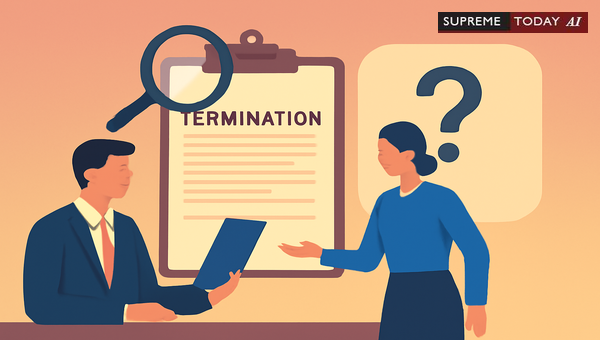
Is Inquiry Required Before Terminating Contract Employees?
In the dynamic world of employment in India, terminating a contract employee's services can be a minefield for employers. One pressing question often arises: Whether a Proper Inquiry is Necessary before Termination of a Contract Employee. Mishandling this can lead to legal battles, reinstatement orders, and hefty back wages. This blog dives into Indian judicial precedents, unpacking when an inquiry is mandatory, the pivotal , and exceptions like . While this provides general insights, consult a legal expert for case-specific advice.
Inquiry Requirement for Contract Employees
The Indian judiciary has consistently held that a proper inquiry is generally required before terminating a contract employee's services, especially if the termination is punitive or in nature. 2020 2 Supreme 176 2023 0 Supreme(SC) 829 2023 0 Supreme(SC) 1140 1998 9 Supreme 504 2005 5 Supreme 68 2004 6 Supreme 539 2000 5 Supreme 437 2019 7 Supreme 235 2011 0 Supreme(HP) 502 2016 3 Supreme 676 1998 2 Supreme 327 1971 0 Supreme(SC) 509 2015 0 Supreme(HP) 462 2015 0 Supreme(HP) 1860
Punitive terminations imply punishment for alleged misconduct, casting a stigma on the employee. Without a fair inquiry adhering to principles—such as notice, hearing, and evidence review—such actions risk being struck down. For instance, Bringing an end to employment by an employer, without assigning reasons or a proper inquiry would undermine all basic norms of the law and the rule of . 2024 Supreme(SRI)(CA) 529
This principle ensures employers cannot arbitrarily end tenures under the guise of contract expiry when misconduct allegations lurk beneath.
Determining the Nature of Termination
The crux lies in classifying the termination: (simple non-renewal)?
Punitive/: Rooted in misconduct, poor performance implying fault, or other blameworthy grounds. Here, a full inquiry is typically essential. 1998 9 Supreme 504 2005 5 Supreme 68 2004 6 Supreme 539 2016 3 Supreme 676 1998 2 Supreme 327 2015 0 Supreme(HP) 462 2015 0 Supreme(HP) 1860
Simpliciter: Purely a business decision not to renew, absent misconduct allegations. No inquiry may be needed. 2023 0 Supreme(SC) 829 2005 5 Supreme 68 2011 0 Supreme(HP) 502
Courts scrutinize the termination order's language and surrounding circumstances. A seemingly neutral order can be deemed punitive if misconduct forms its basis. In one case, termination based on a preliminary inquiry without a formal inquiry is punitive and invalid under the Industrial Disputes Act. 2025 0 Supreme(HP) 858
The
Indian courts apply the to pierce the veil. 2023 0 Supreme(SC) 829 2004 6 Supreme 539
Motive: The employer's intent. If driven by a simple desire not to continue—despite minor issues—it's simpliciter. 2023 0 Supreme(SC) 829 2004 6 Supreme 539
Foundation: The factual basis. If grounded in misconduct findings warranting punishment, it's punitive, demanding an inquiry. 2023 0 Supreme(SC) 829 2004 6 Supreme 539
This test prevents employers from masking punitive actions as routine non-renewals.
Exceptions and Limitations: Focus on
Not all cases mandate inquiries. often enjoy employer discretion to assess suitability without exhaustive processes.
Termination for unsatisfactory performance during probation is typically non-, provided no maximum probation period or automatic confirmation is stipulated. The termination of a probationer's services is non- if it is based on unsatisfactory performance during the probation period and the appointment order does not stipulate a maximum period of .... 2023 0 Supreme(Del) 1706
However, statutory safeguards apply. Under the , probationary terminations may require employee consent or Commissioner's approval. The termination of probationary employment must adhere to statutory requirements, ensuring fair procedure and prior consent are obtained as stipulated by law. 2024 Supreme(SRI)(CA) 529
Even for , breaching —like abrupt termination without review—can invite judicial intervention. 2023 0 Supreme(Del) 1706 2024 Supreme(SRI)(CA) 529
Other exceptions include fraudulently obtained compassionate appointments, where post-inquiry terminations stand if properly conducted. 2018 0 Supreme(All) 2219
Compliance with Statutory Provisions and
Beyond contracts, statutes like the () and demand inquiries for major penalties. Compliance with statutory provisions, including the requirement of an inquiry before imposing a major penalty, is essential for a valid termination under the . 2016 0 Supreme(Ori) 1250
In prolonged absence cases due to illness, courts may excuse if no inquiry probes intent. Yet, whether an inquiry ought to have been granted before passing the impugned order of termination remains key. 2018 0 Supreme(Del) 127
For supervisory or managerial roles exceeding wage thresholds, exclusions limit protections, sidestepping inquiry mandates. 2014 0 Supreme(Guj) 115
Practical Implications for Employers and Employees
For Employers:- Document motives clearly to avoid recharacterization.- Conduct inquiries for misconduct-based terminations: issue , allow defenses, record findings.- For , specify terms in appointment letters.
For Employees:- Challenge terminations via labor courts if no inquiry occurred.- Gather evidence of punitive intent.
Real-world example: A daily wager terminated post-acquittal in a criminal case without formal inquiry won reinstatement with 25% back wages, as the deemed it unjustified. 2025 0 Supreme(HP) 858
Key Findings and Recommendations
- A proper inquiry is generally required for punitive or terminations of contract employees. 2020 2 Supreme 176 2023 0 Supreme(SC) 829
- Distinguish via nature: misconduct demands process; non-renewal may not.
- Employ for clarity. 2023 0 Supreme(SC) 829 2004 6 Supreme 539
- Exceptions exist for , but statutory compliance is non-negotiable. 2024 Supreme(SRI)(CA) 529 2023 0 Supreme(Del) 1706
- Always prioritize to mitigate risks.
In conclusion, while contract flexibility exists, Indian law safeguards fairness. Review facts meticulously per case—terminations without due process often boomerang. This overview draws from judicial wisdom but isn't legal advice; seek professional counsel for your situation.
#ContractTermination, #LaborLawIndia, #EmployeeRights















