




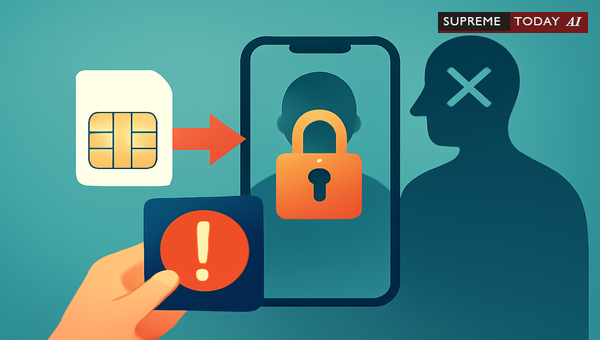
Unauthorized Mobile Number Reallocation: Is It Legal?
Imagine waking up to find your mobile number assigned to someone else—calls meant for you going astray, banking alerts missing, and your digital identity disrupted. This isn't a rare nightmare; it's a real concern for many customers facing reallocation of mobile numbers by telecom companies without permission, consent, and knowledge. In today's connected world, your phone number is more than just digits—it's a key to your personal data, financial services, and privacy. But do telecom providers have the right to reassign it unilaterally?
This blog dives deep into the legal landscape, drawing from key judgments and regulations, primarily in the Indian context. We'll explore whether such practices violate privacy laws, what customers can do, and how to safeguard your rights. Note: This is general information based on legal precedents and not specific legal advice. Consult a qualified lawyer for your situation.
The Core Legal Question
The issue at hand is straightforward yet critical: reallocation of mobile numbers by telecom company without permission, consent and knowledge of customer. Legal documents and court rulings consistently emphasize that telecom operators must respect customer autonomy, especially regarding personal identifiers like mobile numbers linked to and services. 2018 7 Supreme 129
Main Legal Findings: Privacy and Consent Take Center Stage
Generally, reallocating or reassigning mobile numbers without explicit customer permission is inconsistent with principles of privacy, consent, and lawful conduct. Courts have ruled that such actions infringe on the customer's and control over personal data. Mobile numbers serve as unique identifiers, often tied to Aadhaar or other sensitive information, making a serious breach. 2018 7 Supreme 129
Key points from legal analysis include:- Telecom companies must operate within lawful authority and customer consent when handling numbers. Unilateral reallocation without notification violates this. 2018 7 Supreme 129- Customers have a right to prevent unauthorized use of their personal identifiers, extending principles like an individual has the right to prevent others from using his or her image, name and other aspects of personal life and identity for commercial purposes without consent. 2018 7 Supreme 129- Transparency and safeguarding privacy are mandated in telecom operations. 2018 7 Supreme 129
In one precedent, directions require telecoms to deactivate prepaid SIMs upon request and restrict issuance without no objection from the customer or authorities, underscoring authorized management. 2024 0 Supreme(P&H) 671 2023 0 Supreme(P&H) 2508 2023 0 Supreme(P&H) 1646 2024 0 Supreme(P&H) 675
Detailed Analysis: Regulatory Framework and Risks
Privacy and Consent in Telecom Services
Legal precedents highlight that privacy is paramount. The judgment on Aadhaar extends to mobile numbers: an individual has the right to prevent others from using his or her image, name and other aspects of personal life and identity for commercial purposes without consent. This principle applies directly to number reallocation, which could enable , profiling, or data misuse. risk breaching and rules. 2018 7 Supreme 129
Telecom Regulations on Number Management
Under frameworks like the , and license agreements, operators must verify subscribers adequately. For instance, in cases of unauthorized rental or resale of SIM cards, penalties were imposed for license violations, but only after . Licensees are accountable for agents' acts but require evidence of connivance—not mere suspicion. 2012 Supreme(Online)(TDSAT) 141
Further, activations without proper verification, such as pre-activated SIMs or those on fake IDs without subscriber knowledge, lead to penalties. Courts affirm: Licensees must verify subscribers as stipulated under the Indian Telegraph Act and cannot activate SIM cards unless requirements are met.2014 Supreme(Online)(TDSAT) 45
Data Security Concerns
Reallocation without consent heightens risks. In fraud cases, SIMs issued on fake IDs or without the knowledge of the subscribers facilitated crimes like cheating under IPC , leading to bail denials due to public harm. 2020 0 Supreme(Del) 1558
Privacy in call records also ties in: Courts protect details, directing blackouts of calling/called numbers to balance investigation needs with rights. This reinforces that telecoms handle data cautiously. 2021 0 Supreme(Del) 1921 2018 0 Supreme(P&H) 2674
No explicit provision allows unilateral reallocation; overarching principles deem it improper, especially if customers are unaware. 2018 7 Supreme 129
Exceptions and Limitations
While unauthorized reallocation is typically problematic, exceptions may apply:- Lawful procedures like deactivation for non-payment, legal orders, or security, with proper notification. 2018 7 Supreme 129- Emergency reassignments imply procedural safeguards, though not explicitly detailed.- Commercial profiling without consent directly contravenes rules. 2018 7 Supreme 129
In agent misconduct cases, principals like argued neither in the knowledge of nor it had any consent/permission... The same has been done without ‘s permission or knowledge. Courts remitted for fresh review, stressing . 2012 Supreme(Online)(TDSAT) 141
What Customers and Telecoms Should Do: Practical Recommendations
To prevent issues:- Telecom companies: Implement policies requiring explicit consent before reallocation. Inform customers of changes and allow objections.- Customers: Monitor your number, verify unexpected changes, and report to or authorities. Request call details as a subscriber without breaching confidentiality. 2017 0 Supreme(Chh) 735- Regulators: Enforce transparency in number management, akin to SIM verification mandates.
Vigilance is key—fake SIM procurement, as in kidnapping cases, shows real-world risks. 2020 0 Supreme(P&H) 666
Conclusion and Key Takeaways
In summary, telecom companies reallocating mobile numbers without customer permission, consent, or knowledge is generally inconsistent with privacy, data protection, and telecom laws. It undermines rights unless under lawful, notified procedures. By prioritizing consent and transparency, the industry can build trust.
Key Takeaways:- Demand notification for any number changes.- Report unauthorized reallocations promptly.- Understand your rights under privacy principles. 2018 7 Supreme 129- Seek professional advice for disputes.
Stay informed, protect your number—it's your digital lifeline. For more on telecom consumer rights, follow our blog.
References:1. 2018 7 Supreme 129: Privacy, consent in data handling.2. 2024 0 Supreme(P&H) 671: SIM deactivation and authorization.3. 2012 Supreme(Online)(TDSAT) 141: License violations and knowledge/consent.4. 2014 Supreme(Online)(TDSAT) 45: Subscriber verification.5. 2020 0 Supreme(Del) 1558: Fraud via unauthorized SIMs.
#TelecomPrivacy #MobileRights #ConsumerLaw















