


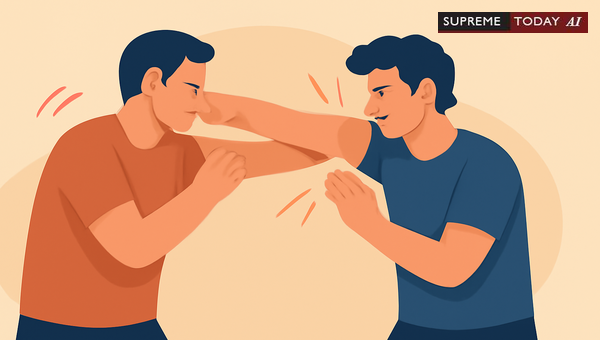
Mutual Injuries in : Is It a Valid Defense?
Imagine a heated altercation where both sides end up injured, leading to cross-cases () filed against each party. A common question arises: In where both parties hurt each other, is that a defense? This scenario is frequent in assault and battery disputes, but the answer isn't straightforward. While mutual injuries might suggest a level playing field, courts scrutinize the context, intent, and evidence to determine if it negates liability.
This blog post breaks down the legal principles, drawing from established case law, to help you understand when mutual harm may—or may not—serve as a defense. Note: This is general information, not legal advice. Consult a qualified attorney for your specific situation.
Understanding and Mutual Injuries
typically involve two () filed by opposing parties after the same incident. When both complainants report injuries, it raises questions of versus legitimate .
Courts generally assess:- Who initiated the violence?- Was the response proportionate?- Does evidence support a '' scenario?
In many jurisdictions, especially under Indian criminal law (e.g., on ), mutual injuries do not automatically absolve either party. Instead, they trigger deeper analysis. As one court observed, In this case, two parties in the course of a fight inflicted on each other injuries both serious and minor. 2021 0 Supreme(All) 644 2019 0 Supreme(Gau) 1245 2018 0 Supreme(Jhk) 1221 2016 0 Supreme(Gau) 888 2015 0 Supreme(Tri) 416
Key Legal Principles: When Mutual Injuries Are Not a Defense
1. and Free Fights
If both parties willingly engaged in combat with intent to harm, it's often deemed a '.' Here, neither can claim , as both are aggressors. If both parties are found to have engaged in a , where there is mutual intent to harm, neither party can claim the . 1964 0 Supreme(Raj) 212 2010 0 Supreme(P&H) 1991
This principle holds because requires an unlawful aggression from the other side, not reciprocal violence.
2.
The prosecution must explain the injuries on both sides. Courts determine the aggressor and evaluate claims. The prosecution must provide a plausible explanation for the injuries sustained by both parties. If the prosecution fails to establish that one party was the aggressor, the accused may have a valid defense. 1989 0 Supreme(P&H) 267
Failure to do so can weaken the case against the accused.
3. Evidence Scrutiny
Courts examine medical reports, eyewitnesses, and weapons used—without relying on cross-case evidence for injury nature. Evidence from cross-cases should not be used to determine the nature of injuries in the current case. 2016 0 Supreme(Raj) 1689 1986 0 Supreme(Ori) 471
Factors like weapon type, injury severity, and body parts hit are crucial. For instance, using only the blunt side of a weapon despite being attacked may indicate restraint, influencing intent assessment. 2019 0 Supreme(Gau) 1245
4. Requirements
To succeed, the accused must prove an and . To successfully claim , the accused must demonstrate that they acted in response to an and that their response was proportionate. If both parties are equally culpable, the claim of may not hold. 2014 0 Supreme(Raj) 2036 2019 0 Supreme(All) 1584
When Mutual Injuries Can Support a Defense
Conversely, other precedents show mutual harm bolstering defenses, particularly in or scenarios. Courts recognize that each case turns on its merits.
Recognition: Witnesses confirming both sides fought without a clear initiator can lead to acquittals or reduced liability. In several instances, courts have acknowledged that both parties in a dispute have engaged in mutual violence, with sources noting on both sides. 2023 0 Supreme(Raj) 1892 2023 0 Supreme(Tri) 53 2025 0 Supreme(All) 3114 2024 0 Supreme(Gau) 799
in Fights: Injured persons acted in , and the court upheld their right to protect themselves. 2025 0 Supreme(All) 3114 This influenced outcomes where violence was reciprocal.
Contextual Factors: Familial ties or lack of initial aggression can sway decisions. Cross-FIR convictions don't imply guilt elsewhere; mutual violence is weighed. 2023 0 Supreme(Raj) 672 Courts emphasize, When both parties are involved in a fight, it may negate the liability of one side or serve as a defense. 2023 0 Supreme(Del) 1635
In essence, while not automatic, mutual injuries can be a substantive defense if evidence shows or equal culpability.
Practical Considerations in
Defending such cases requires strategic preparation:
- Gather Robust Evidence: Medical reports, eyewitness testimonies, and timelines to establish context.
- Analyze Injuries: Compare severity and nature to argue proportionality or lack of intent.
- Counter Claims: Demonstrate your client's actions were defensive, not aggressive.
During cross-examination, consistency is key. As seen in cases, firm witness testimonies can undermine prosecution narratives. 2023 0 Supreme(MP) 7 2022 0 Supreme(MP) 427 2022 Supreme(Online)(MP) 7270
Conclusion and Key Takeaways
Mutual injuries in do not automatically serve as a defense. Guilt hinges on specifics: aggressor identity, intent, and evidence. Free fights negate , but genuine claims can prevail with strong proof.
Key Takeaways:- Prosecution bears the burden to explain cross-injuries.- Evidence rules out cross-case reliance for injury facts.- may equalize liability, but proportionality matters.- Always document everything—evidence wins cases.
If facing such charges, seek experienced legal counsel promptly. Understanding these nuances can significantly impact outcomes.
References: Inline citations from court documents including 1964 0 Supreme(Raj) 212, 2010 0 Supreme(P&H) 1991, 1989 0 Supreme(P&H) 267, 2016 0 Supreme(Raj) 1689, 1986 0 Supreme(Ori) 471, 2014 0 Supreme(Raj) 2036, 2019 0 Supreme(All) 1584, 2021 0 Supreme(All) 644, 2023 0 Supreme(Raj) 1892, 2023 0 Supreme(Tri) 53, 2025 0 Supreme(All) 3114, 2024 0 Supreme(Gau) 799, 2023 0 Supreme(Del) 1635, 2023 0 Supreme(Raj) 672.
#MutualCombat, #SelfDefenseLaw, #CrossCaseDefense

















