


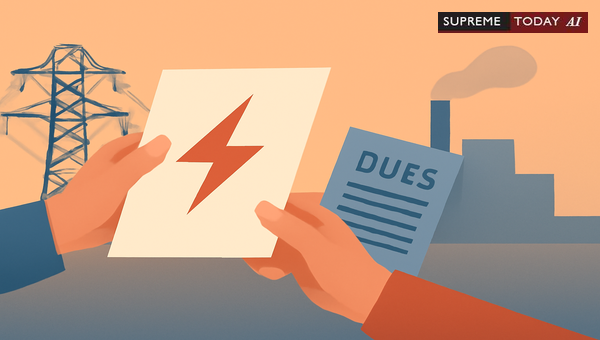
Can New Owner Recover Old Electricity Dues in India?
Purchasing property is exciting, but discovering unpaid electricity bills from the previous owner can turn joy into a nightmare. A common question arises: Can a new proprietor recover the amount at the time of the previous proprietor? Specifically, can the new owner chase down those lingering electricity dues left by the seller?
Under Indian law, the answer is generally no—a new proprietor cannot automatically recover unpaid electricity dues from the previous owner unless specific statutory or contractual provisions allow it. This principle protects successors from inheriting debts that aren't theirs, but exceptions exist. This post breaks down the legal landscape, drawing from key judgments and regulations to help property buyers navigate this issue.
Core Legal Principle: No Automatic Liability for Successors
Electricity dues are treated as of the original consumer, not a itself. As established in judicial precedents, a transferee or new proprietor is not automatically liable for prior dues. 2010 6 Supreme 761
- Electricity arrears do not run with the land like property taxes might in some cases.
- The successor's liability only kicks in if statutory rules (e.g., supply codes) or contractual terms (e.g., sale deeds) explicitly permit recovery. 2003 0 Supreme(Ker) 467 2010 6 Supreme 761
The has reinforced this: unless statutory rules or terms of supply specify that the successor is liable for prior dues, the liability remains with the original consumer. 2010 6 Supreme 761
Landmark Judicial Decisions
Two pivotal cases clarify this position:
Isha Marbles ()
In , the Court held that in the absence of a statutory provision, a successor cannot be held liable for pre-sale arrears. Dues are personal to the original consumer. 2010 6 Supreme 761
This decision distinguished Isha Marbles, noting: if terms and conditions explicitly provide that arrears of the previous owner are recoverable from the successor, then the law permits such recovery. 2010 6 Supreme 761
These rulings emphasize that without clear legal backing, new owners aren't debt collectors for electricity boards.
Statutory and Regulatory Exceptions
Some state regulations create narrow pathways for recovery:
: Allows recovery from successors if properly invoked. A new connection won't be given until prior dues are cleared, with potential refunds after adjustments. However, a new owner cannot be denied connection due to previous dues unless such provisions are invoked. 2003 0 Supreme(Ker) 467
: Arrears can be recovered from the previous owner via the . New owners can't be denied connections on this basis. 2006 0 Supreme(Del) 589
These provisions shift focus to pursuing the original debtor, not burdening the buyer.
Broader Contexts: Proprietor Liability in Other Scenarios
While electricity dues are specific, proprietor liability appears in varied cases, offering contrasts:
Deceased Sole Proprietor: Legal representatives (e.g., spouse) are liable for the deceased's business debts. In one case, the respondent is legally entitled to recover the outstanding amount from the of the sole proprietor. 2023 0 Supreme(Del) 3865 This differs from property transfers, where personal contractual debts don't automatically pass.
Rent Recovery by Unregistered Proprietors: Under the , an unregistered proprietor cannot sue for rent. An unregistered proprietor cannot sue for rent—suit must be dismissed. 1895 0 Supreme(Cal) 81 Payment to a registered proprietor discharges the tenant, highlighting registration's role—absent in most electricity scenarios.
Heirs Recovering Rent: Heirs of a deceased registered proprietor can recover pre-sale rent as legal representatives, not proprietors. No succession certificate needed for rent claims. 1899 0 Supreme(Cal) 199
Income Tax on Proprietors: Proprietors are assessed on full business profits even if managed by others, but this is fiscal, not debt recovery. 1936 0 Supreme(Cal) 375 1936 0 Supreme(Cal) 112
These illustrate that liability depends on context—contractual for electricity, representative for estates.
Contractual Safeguards in Sale Deeds
Buyers can protect themselves:
- Include clauses in sale agreements shifting liability to the seller.
- Demand from electricity boards before closing.
Without such terms, mere transfer of property without such provisions does not automatically impose liability for prior dues. 2010 6 Supreme 761
Practical Recommendations for New Proprietors
To avoid disputes:
- Verify Dues Pre-Purchase: Check with the local electricity board for outstanding amounts.
- Negotiate : Ensure the seller agrees to clear or indemnify against prior dues.
- Seek Legal Review: Consult a lawyer for state-specific supply codes (e.g., Gujarat or Bihar).
- Electricity Boards' Role: Suppliers must invoke specific clauses; they can't arbitrarily demand payment from successors.
New owners should not pay prior dues without clear mandate, as refund processes can be cumbersome.
Key Takeaways
| Scenario | Can New Proprietor Recover? | Basis ||----------|-----------------------------|-------|| No Statutory/Contractual Provision | Generally No | : Personal liability 2010 6 Supreme 761 || Gujarat/Bihar Codes Invoked | Possible, with limits | Supply Codes 2003 0 Supreme(Ker) 467 2006 0 Supreme(Del) 589 || Sale Deed Clause | Yes | Contractual Agreement || Deceased Proprietor Debts | Yes, from Representatives | Succession Laws 2023 0 Supreme(Del) 3865 |
Conclusion
In summary, a new proprietor typically cannot recover the previous proprietor's electricity dues without explicit statutory or contractual support. This protects innocent buyers while holding original consumers accountable. Always verify before purchase—prevention beats litigation.
This is general information based on precedents and not specific legal advice. Consult a qualified lawyer for your situation.
References:- 2010 6 Supreme 761: on successor liability.- 2003 0 Supreme(Ker) 467: Gujarat Supply Code provisions.- 2006 0 Supreme(Del) 589: Bihar Supply Code mechanisms.- Additional cases: 2023 0 Supreme(Del) 3865, 1895 0 Supreme(Cal) 81, 1899 0 Supreme(Cal) 199.
#ElectricityDues #PropertyLawIndia #LegalAdvice















