


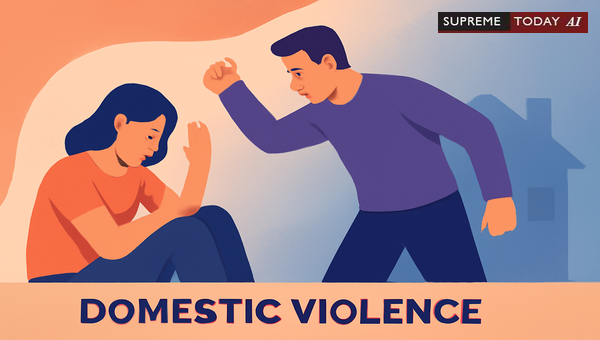
323/326A: Hitting Father to Escape Liability?
In family disputes, emotions can run high, leading to regrettable actions like physical altercations. A common misconception arises from questions like: Under sections 323/326A of the , can a convert get out by hitting his father? This query touches on whether causing hurt to a parent could somehow exempt someone from liability, perhaps in contexts involving religious conversion or family tensions. However, Malaysian law under the is clear and strict on such matters. This blog post breaks down the provisions, penalties, and interpretations to clarify why such an act does not provide a legal escape route. Note: This is general information based on legal documents and not specific legal advice. Consult a qualified lawyer for your situation.
Understanding Sections 323 and 326A of the
addresses , which involves intentionally inflicting physical injury without the use of dangerous weapons or means that cause . The punishment typically includes imprisonment up to one year, a fine up to RM2,000, or both
. For instance, one source notes, The gravity of the offence is equally reflected in the punishment of this offence specified in s323 that entitles this to merely impose an imprisonment sentence of less than a year or a fine not more than RM2,000
.
Section 326A enhances penalties when the victim is a family member, such as a spouse, child, or parent. It applies to offences under , doubling the maximum imprisonment term
. Specifically, stipulates that anyone causing hurt to a family member and committing an offence under shall be punished with imprisonment up to twice the maximum term applicable to that offence
. This provision, introduced via the (Amendment) Act , aims to deter
.
Causing hurt is broadly defined as intentionally inflicting injury, including acts like hitting
. Parents explicitly fall under protected family members, making assaults on a father subject to these enhanced rules
.
Does Hitting Your Father Allow You to Get Out Under These Sections?
The short answer is no. The law does not recognize hitting a father—or any family member—as a defense or exemption from liability. Instead, it prescribes punishment, often doubled under Section 326A. The notion of getting out by hitting misunderstands the provisions; the act itself triggers criminal liability, not relief.
Key points from legal documents:- No exemption exists based solely on the act of causing hurt to a parent
.- Penalties apply regardless of the offender's status, such as being a religious convert; the focus is on the intentional harm to a family member.- Courts emphasize the seriousness: The serious nature of the offence should be considered by the in granting discharge
, but this does not imply legality for family assaults.
In domestic contexts, even simple hurt under Section 323 read with 326A can lead to considerations. One case clarified, Do you know that pursuant to s 323 of the read together with s 326A , the offence is punishable with imprisonment up to 2...
. Misunderstandings of mandatory sentencing have led to appeals and retrials
.
Enhanced Penalties and Interpretations
Section 326A mandates stricter punishment for family hurt: Punishment for causing hurt by spouse 326A... In order to give effect to s 326A of the , one just need to apply the term of imprisonment specified, namely, 'twice as long'
. While many cases involve spouses, the provision extends to parents, as confirmed in core documents
.
Courts have set aside lenient sentences due to errors in applying these sections. In one appeal, the found the sentence imposed by the <>lower court> was in error due to a misunderstanding of the mandatory sentencing provision... The concluded that the relevant laws dictate a mandatory two-year imprisonment for the offense under these sections
. Another noted, The mandatory term of imprisonment under is two years for offenses under Section 323
.
Proof of relationship is key: applies when the offender and the victim share a domestic relationship, such as husband and wife, and enhances the punishment for offence...
. Father-son ties clearly qualify.
Related cases highlight no leniency for family violence:- Fines up to RM1,800 (near the RM2,000 max) are common for Section 323
.- Bail considerations note simple vs. , but family enhancement applies
MYS00000453095
.Exceptions, Defenses, and Offences
No documents indicate an exception for hitting a father to get out. Defenses like may apply generally but require proof of imminent threat—not preemptive or retaliatory acts.
(settling out of ) is limited. like under 326 cannot be easily compounded, but courts may convert charges (e.g., 326 to 325) in exceptional settlements 2018 0 Supreme(Mad) 2953 2014 1 Supreme 348. For family hurt, courts prioritize protection: Offence under is compoundable by the person to whom the hurt is caused with the permission of the 2018 0 Supreme(Mad) 2953. However, Section 326A enhancements complicate this.
Irrelevant to family hurt but illustrative: Consent issues in other crimes (e.g., false marriage representations) vitiate defenses 2022 0 Supreme(Bom) 1038, underscoring intent's role.
Practical Recommendations and Key Takeaways
- Avoid physical confrontations: Even minor hurt to family can lead to doubled imprisonment (up to 2 years for Section 323)
.
- Seek mediation: Family disputes should use counseling or legal channels, not violence.
- Understand sentencing: Courts consider gravity; fines or short terms possible for simple hurt, but enhancements apply
.
- Consult professionals: Specific circumstances (e.g., conversion disputes) may involve other laws; get tailored advice.
Conclusion
Under Sections 323 and 326A, causing hurt by hitting your father does not exempt you from liability—it invites enhanced punishment. Legal documents consistently affirm protection for family members, with courts upholding mandatory considerations for imprisonment
. While settlements occur in minor cases, family violence carries serious repercussions. Prioritize peaceful resolutions to avoid . This overview draws from cited sources; laws evolve, so verify with current statutes and seek expert counsel. #PenalCodeMalaysia, #Section326A, #DomesticViolenceLaw















