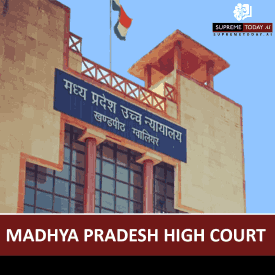
When Special Acts Bar Jurisdiction
In the complex landscape of Indian law, understanding jurisdictional boundaries is crucial for litigants, lawyers, and businesses alike. A common question arises: Where a Special Act Provides an Effective Remedy the Jurisdiction of the Shall be Deemed to be . This principle, rooted in , determines whether civil courts can entertain suits when specialized statutes offer alternative remedies. This blog post breaks down the rule, its applications, exceptions, and real-world examples to help you navigate this area effectively.
Note: This article provides general information based on judicial precedents and is not legal advice. Consult a qualified lawyer for specific cases.
The Core Legal Principle
The existence of a special Act that provides an effective and adequate remedy generally bars the jurisdiction of civil courts to entertain related civil suits, unless the statute explicitly or by preserves jurisdiction or the challenged order/action is a . 2006 0 Supreme(Del) 1861
Courts first check for an . When a statute explicitly states that civil courts have no jurisdiction, such provisions are binding. For instance, statutes like the and confer exclusive jurisdiction on , ousting civil courts from election disputes. 1955 0 Supreme(Pat) 104 Similarly, the excludes civil courts in eviction or property matters under its provisions. 2000 0 Supreme(Guj) 801
Implied Exclusion of Jurisdiction
In the absence of express words, courts examine if the statute's scheme offers a complete, effective, and . If so, civil jurisdiction is impliedly barred. This ensures disputes are channeled through specialized forums for efficiency and expertise. Land reform laws exemplify this: tribunals provide finality, excluding civil suits by . 1997 4 Supreme 439
00200002081
The jurisdiction of a to entertain the suit has to be determined whether the Act provides an adequate final remedy to what the would normally do in a suit... 2025 0 Supreme(Del) 716
Recent cases reinforce this. Under the (Sections 5 and 34), civil suits challenging arbitral awards as nullities are barred post-judgment, even on fraud claims, as they must be raised during arbitration. The purpose of is upheld. 2025 0 Supreme(Del) 716
Likewise, in Employees Provident Funds cases, appeals to special tribunals under Section 7(1) imply a bar on civil suits if not availed. Once jurisdiction is given to a special tribunal then the remedy of the is to be held to be impliedly barred. 2011 0 Supreme(P&H) 726 2007 0 Supreme(P&H) 1782
Key Exceptions: When Civil Courts Retain Jurisdiction
Even with a statutory bar, civil courts may intervene in specific scenarios:
of Orders: If an order is (e.g., due to like no hearing opportunity), it can be challenged via civil suit. 2006 0 Supreme(Del) 1861 2008 0 Supreme(HP) 522 2006 0 Supreme(Mad) 279 1981 0 Supreme(All) 199
Inadequate Remedy: If the special Act's remedy is not complete or efficacious, civil jurisdiction persists. For example, under the , Section 27's remedy was deemed inadequate due to no evidence procedure, but courts still barred suits where finality was clear. 2019 0 Supreme(All) 601
No Effective Forum: In cases, civil suits remain maintainable as no other authority bars them. 2024 0 Supreme(Raj) 208
Courts interpret exclusions strictly, requiring clear language or . Mere tribunal conferment does not oust civil courts unless the scheme replaces suits entirely. 1983 0 Supreme(AP) 43 2000 0 Supreme(Guj) 801
Judicial Approach Across Statutes
This doctrine spans diverse laws:
- Land Reforms and Panchayats: Tribunals' final orders bar civil suits. 1997 4 Supreme 439
- Election Laws: Exclusive officer jurisdiction. 1955 0 Supreme(Pat) 104
- Municipal and Public Premises Acts: Express bars on property/eviction. 2000 0 Supreme(Guj) 801
- Village Panchayats: empowers panchayats to remove encroachments on public sites, providing alternate remedies like appeals, barring civil injunctions. Village Panchayat, under Section 53(2) of Act has exclusive jurisdiction to remove any encroachment on public property and has no jurisdiction. 2014 0 Supreme(Bom) 1165
- Commercial Disputes: Transfers to under affirm specialized jurisdiction. 2024 0 Supreme(AP) 575
- Universities and Provident Funds: No redressal in some Acts implies no bar; others bar via appeals. 2010 0 Supreme(Ker) 815 2007 0 Supreme(P&H) 1782
No shall have jurisdiction in respect of any matter to which any provision of this Act applies... Common in special Acts like those cited. 2022 Supreme(Online)(Kar) 60567 2022 Supreme(Online)(KAR) 69
Practical Recommendations
When facing disputes under special Acts:- Examine the Statute: Check for express bars or comprehensive schemes. 2006 0 Supreme(Del) 1861- Assess Remedy Efficacy: Is it complete, speedy, and final? If yes, pursue it first.- Check: For void orders (e.g., no hearing), civil suits may lie. 1981 0 Supreme(All) 199- Strict Interpretation: Courts won't infer bars lightly; argue adequacy. 1983 0 Supreme(AP) 43- Alternative Forums: Exhaust statutory appeals before civil courts, avoiding pitfalls. 2007 0 Supreme(P&H) 1782
Conclusion and Key Takeaways
Generally, a special Act's effective remedy—expressly or impliedly—bars jurisdiction to promote . However, exceptions like nullities preserve access to justice. Key takeaways:- Prioritize statutory remedies for efficiency.- Challenge only nullities in civil courts.- Interpret exclusions strictly per judicial trends. 2008 0 Supreme(HP) 522
Understanding this balance prevents wasted litigation. For tailored advice, engage legal experts familiar with the relevant Act.
References (select excerpts):1. 2006 0 Supreme(Del) 1861: Core principles on express/implied bars.2. 1997 4 Supreme 439: Land reforms' implied exclusion.3. 2008 0 Supreme(HP) 522: exception.4. And others as cited inline.
#CivilCourtJurisdiction, #SpecialActRemedy, #LegalBar