


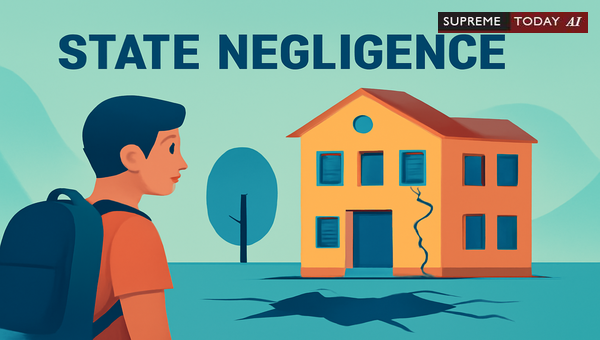
State Negligence in Infrastructure: Legal Risks & Cases
Introduction
Infrastructure forms the backbone of modern society, from roads and bridges to schools and public facilities. When the state fails in its duty to develop and maintain this infrastructure safely, the consequences can be devastating—leading to injuries, loss of life, and significant legal battles. A pressing legal question arises: Negligence by the State in Development of Infrastructure—what are the implications, liabilities, and remedies available?
This blog post delves into key legal principles, landmark cases, and practical insights drawn from Indian jurisprudence. While this provides general information, it is not legal advice; consult a qualified attorney for specific cases.
Overview of State Liability in Infrastructure
The state bears a fundamental duty to ensure public safety, particularly for vulnerable groups like children in educational settings. Courts have repeatedly held that negligence in constructing or maintaining infrastructure can trigger for the state and its agencies. This duty stems from tort law principles, where the state acts as a guardian of public welfare.
In cases involving negligence by the state in development of infrastructure, courts emphasize proactive measures like using quality materials and conducting regular inspections. Failure here not only endangers lives but also opens the door to compensation claims. For instance, the tragic collapse of school structures due to defective materials has led to accountability rulings. 2022 0 Supreme(Ori) 378
Key Legal Principles and Landmark Cases
and State Responsibility
The state's obligation extends to all public infrastructure, ensuring it meets safety standards. In , a child's death from a collapsing school roof highlighted this duty. The court ruled the state liable for its functionaries' negligence, attributing the incident to defective materials. It directed compensation, stressing strict compliance with safety measures in school infrastructure. 2022 0 Supreme(Ori) 378
This precedent underscores that the state cannot evade responsibility through subordinates. Similar themes echo in other rulings, such as government agencies' failure to follow safety circulars in road construction. In one case, a poorly built speed breaker without signage caused injuries, leading the court to affirm: A government agency is liable for negligence if it fails to adhere to safety standards in public infrastructure, as established by relevant circulars. The appellate court dismissed the appeal, upholding damages of Rs. 5,000/-. 2024 0 Supreme(Bom) 1012
Compensation for Victims
Courts typically award compensation for avoidable harm from infrastructural failures. In the Odisha case, financial restitution was mandated for the victim's family, setting a benchmark for future claims. The court's findings... established a precedent for compensation claims against the state for negligence. 2022 0 Supreme(Ori) 378
(NCDRC) cases reinforce this. Multiple rulings describe such lapses as not only negligence but a , rejecting defenses from state parties. References to Supreme Court precedents like Fortune Infrastructure Vs. Trevor D’Lima () 5 SCC 442 highlight ongoing liability patterns in infrastructure projects. 2023 Supreme(Online)(NCDRC) 9961072_2019_2019>
1130_2019_2019>
Broader State Responsibilities in Infrastructure Partnerships
Beyond direct negligence, states often partner with private entities for development. The illustrates the obligation to provide land and resources for projects, ensuring smooth execution. 2010 0 Supreme(All) 2064
Proposals like the Infrastructure and Amenities Fund aim for sustainable growth, recognizing state oversight in planning. 2018 0 Supreme(Mad) 146 In urban contexts, entities like face quashing of orders for lapses, emphasizing accountability.
Arbitration disputes further highlight tensions. In Madhya Pradesh, concession agreements for sports infrastructure were deemed under the , mandating tribunal referral despite arbitration clauses. The definition of 'works contract'... is wide enough to include the if it fulfils the necessary ingredients. 2017 0 Supreme(MP) 180
cases involve tenders for sewage treatment plants, where courts appointed arbitrators while voiding restrictive clauses under the . 2016 0 Supreme(Raj) 1152
Educational and Urban Infrastructure: Specific Insights
Schools remain a hotspot for negligence claims. Bihar's educational infrastructure developments have seen court interventions quashing flawed decisions.
In Madhya Pradesh, housing and infrastructure boards face suits for failures. 2022 Supreme(Online)(MP) 12216 Land acquisition for urban projects, like those by , requires fair rehabilitation, with directions for oustee plot allotments via public ads. 2012 0 Supreme(P&H) 560
Architectural standards under the , also play a role, as seen in reductions of student intake due to inadequate facilities, later rectified with quotas for NRIs. 2013 0 Supreme(Mad) 1800
Recommendations for Mitigation and Advocacy
To prevent litigation:- Implement rigorous safety audits and material testing.- Conduct regular inspections, especially in schools and roads.- Prioritize public-private partnerships with clear accountability.
For victims:- Leverage precedents like Prabir Kumar Das for claims. 2022 0 Supreme(Ori) 378- Document negligence with evidence of safety violations.- Seek compensation through tort claims or consumer forums.
Legal counsel should monitor evolving frameworks, including funds for amenities. 2018 0 Supreme(Mad) 146
Conclusion and Key Takeaways
State negligence in infrastructure development carries clear legal repercussions: liability for harm, compensation mandates, and judicial oversight. Cases from Odisha schools to urban roads affirm the state's , with courts favoring victims through precedents and awards.
Key Takeaways:- States must adhere to safety standards to avoid tortious liability. 2024 0 Supreme(Bom) 1012- Compensation is typically available for proven negligence. 2022 0 Supreme(Ori) 378- Partnerships require robust planning to prevent disputes. 2010 0 Supreme(All) 2064- Proactive measures like inspections can mitigate risks.
Stay informed on these issues to protect public safety. For personalized guidance, contact a legal expert. This overview draws from documented cases for educational purposes only.
References:- 2022 0 Supreme(Ori) 378 ()- 2010 0 Supreme(All) 2064 ()- 2018 0 Supreme(Mad) 146 (Infrastructure and Amenities Fund)- 2024 0 Supreme(Bom) 1012,
, 2023 Supreme(Online)(NCDRC) 996, 2017 0 Supreme(MP) 180, 2016 0 Supreme(Raj) 1152, 2012 0 Supreme(P&H) 560, 2013 0 Supreme(Mad) 1800 and others as cited. #StateNegligence #InfrastructureLaw #LegalLiability















