


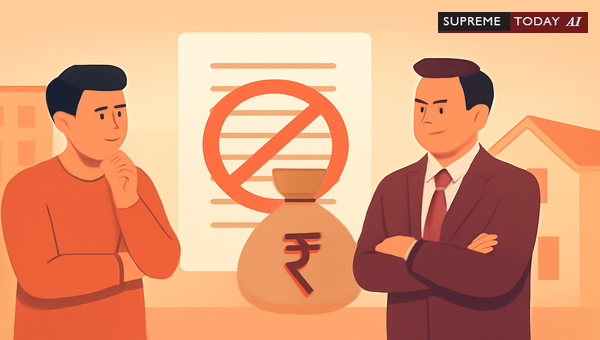
Tenant Rent Default in Eviction Suit: Key Consequences
In the complex world of landlord-tenant disputes in India, timely rent payment is not just a but a . Imagine this: an eviction suit is underway, and the tenant suddenly stops depositing the monthly rent into the court. What are the repercussions? This question—consequence if tenant discontinued to deposit monthly rent in suit—is critical for both tenants facing eviction and landlords seeking remedies.
Under various and procedural laws like the , failing to deposit rent can lead to severe outcomes, including the court . This article breaks down the legal framework, consequences, exceptions, and practical advice based on judicial precedents. Note: This is general information based on case law and not specific legal advice. Consult a qualified lawyer for your situation.
Legal Requirement for Rent Deposits in Eviction Suits
In eviction proceedings, tenants are typically required to deposit arrears and ongoing monthly rent to maintain their defense. This stems from provisions in state-specific and Order XV Rule 5 of the CPC.
- Statutory Timeline: Rent must often be deposited by the 15th of each succeeding month or within a week of accrual. 1986 0 Supreme(SC) 457
- First Hearing Obligation: Under Order XV Rule 5 CPC, the defendant must pay admitted rent at the first hearing and continue monthly deposits throughout the suit, regardless of denying the landlord-tenant relationship. 2023 0 Supreme(All) 1639
As one ruling states: the defendant must comply with the provisions of and pay the admitted rent at the first hearing and the monthly amount due throughout the suit. 2023 0 Supreme(All) 1639
Failure to adhere invites judicial intervention.
Main Consequences of Discontinuing Rent Deposits
The primary fallout is the court's power to strike out the tenant's defense, allowing the eviction to proceed unopposed. This is not automatic but often the result without justification.
- Striking Out Defense: Non-deposit within the prescribed period leads to the court striking out the tenant’s defence. 1982 0 Supreme(SC) 104
- : Without defense, the landlord's eviction claim succeeds, especially in cases of repeated defaults. 1999 6 Supreme 415
- Loss of Protection: Default results in loss of statutory protection against eviction. 1979 0 Supreme(SC) 513
In cases, absence of for non-deposit directly results in eviction. 1999 6 Supreme 415
Similar strictness applies under the . Tenants must deposit arrears at the last paid rate under Section 7(1)(a) to secure protection. 2025 0 Supreme(Cal) 234
Understanding '' for Default
Courts may spare tenants if they prove —genuine, reasons beyond control, like illness or fund access issues. Mere negligence doesn't qualify.
- Reasons: Genuine inability to deposit on time may justify extension. 1999 6 Supreme 415
- : Neglect or negligence leads to penalty, including struck defense. 2017 0 Supreme(Cal) 936
Judges evaluate on a case-by-case basis. For instance, under , Section 13(5) is directory, allowing time extensions for equity if attempts to pay are shown (e.g., money order receipts). 1992 0 Supreme(Raj) 604
Court's Discretion and Extensions
Courts hold discretion to extend deposit timelines, but it's limited.
- Extension Power: Possible for defaults, often up to three months. 1979 0 Supreme(SC) 513 1986 0 Supreme(SC) 457
- Instalments: In some acts like West Bengal Premises Tenancy Act Section 17, courts may allow instalments if disputes exist, but preconditions like depositing admitted arrears must be met. 2022 0 Supreme(Cal) 1318
However, under the same Act's Section 7(2), applications for instalments fail without raising rent disputes, depositing admitted arrears with interest, and seeking determination. 2023 0 Supreme(Cal) 810
In cases, partial deposits don't suffice; full rent is mandatory under Section 12(3). 2022 0 Supreme(Bom) 1587
Insights from Key Judgments Across India
Indian courts consistently enforce compliance:
- CPC and : Even denying tenancy doesn't excuse deposits. Trial courts can strike defense post-first hearing default. 2023 0 Supreme(All) 1639
- Uttar Pradesh/Other States: Deposits under alternative sections (e.g., ) don't count if not in the suit court. Strict court-specific deposit required. 2015 0 Supreme(All) 3729
- Rajasthan Act: In default suits under S. 13(1)(a), continued deposits needed; defense struck for non-compliance. 2000 0 Supreme(Raj) 1202
- Exceptions: In suits under Section 20 (not default grounds), Section 13(1) deposit rules may not apply, but security for arrears can be ordered. 1998 0 Supreme(MP) 972 1998 0 Supreme(MP) 969
These cases underscore: Deposit where and how the court mandates.
Exceptions and Limitations
While strict, exceptions exist:- Genuine delays with proof (e.g., prior good-faith deposits). 1986 0 Supreme(SC) 457- Fact-specific . 1979 0 Supreme(SC) 513- No instalments without statutory backing or preconditions. 2023 0 Supreme(Cal) 810
Practical Recommendations for Tenants and Landlords
For Tenants:- Deposit promptly; document everything.- Seek extensions early with evidence of .- Comply even if disputing rent amount—pay admitted portion.
For Landlords:- Monitor court deposits closely.- Apply to strike defense on default.- Pursue security if deposits lag.
Courts: Exercise discretion judiciously, balancing equity.
Key Takeaways
- Discontinuing rent deposits in an eviction suit typically leads to struck defense and eviction. 1982 0 Supreme(SC) 104 1999 6 Supreme 415
- can save the day, but prove it . 1999 6 Supreme 415
- Strict compliance with CPC Order XV Rule 5 and state acts is essential. 2023 0 Supreme(All) 1639
- Always deposit in the correct court. 2015 0 Supreme(All) 3729
Tenants, don't risk it—stay current. Landlords, leverage defaults judiciously. For tailored advice, reach out to a legal expert familiar with your state's Rent Control Act.
References:- 1982 0 Supreme(SC) 104, 1999 6 Supreme 415, 1979 0 Supreme(SC) 513, 1986 0 Supreme(SC) 457, 2023 0 Supreme(All) 1639, 2022 0 Supreme(Cal) 1318, 2023 0 Supreme(Cal) 810, 2025 0 Supreme(Cal) 234, 2022 0 Supreme(Bom) 1587, 2015 0 Supreme(All) 3729, 2000 0 Supreme(Raj) 1202, 1992 0 Supreme(Raj) 604, 1998 0 Supreme(MP) 972, 1998 0 Supreme(MP) 969
#TenantRights #EvictionLaws #RentControlIndia












