


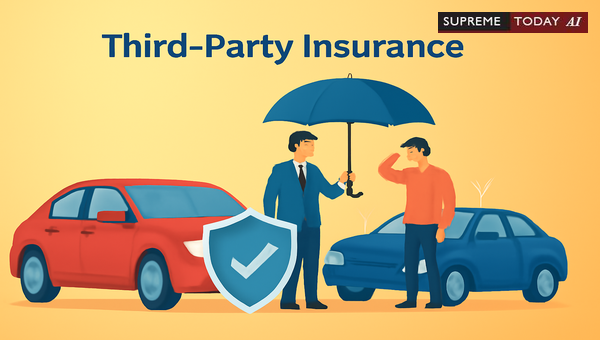
Insurance: Vehicle Not Involved but Party Involved – What Does the Law Say?
In the chaotic aftermath of a motor vehicle accident, questions about insurance coverage often arise, especially under policies mandated by the . A common query from claimants is: Insurance me Vehicle Involved Nhi but Party Involved – translating to situations where the insured vehicle isn't directly involved, yet a party (like a pedestrian or occupant of another vehicle) suffers injury or damage. This blog post breaks down the legal principles, insurer liabilities, exceptions, and key case laws to help you understand your potential rights.
Note: This is general information based on legal precedents and statutes. It is not specific legal advice. Consult a qualified lawyer for your case.
Overview of Under
is compulsory under the , designed to protect innocent road users who are not parties to the insurance contract. The focuses on compensating 'third parties' injured due to the use of the insured vehicle, regardless of other factors like vehicle transfer. 2018 0 Supreme(Guj) 1224
The law prioritizes third-party claims, making coverage rather than purely . As one source notes, motor vehicle insurance is mandated by statute. It is issued by insurance companies for the benefit and protection of innocent road users.
Who Qualifies as a ''?
Core Definition
A is anyone not a party to the insurance contract, including:- Pedestrians hit by the vehicle.- Passengers in other vehicles.- Individuals suffering damage from the vehicle's use. 2018 0 Supreme(Guj) 1224 2002 0 Supreme(MP) 985
Courts have broadly interpreted this: The term encompasses anyone who suffers injury or damage due to the use of the vehicle, regardless of their relationship to the insured. 2023 0 Supreme(Gau) 483 2001 0 Supreme(Raj) 501
In insurance parlance, a is a person who is not using the vehicle involved in the accident. 2006 0 Supreme(AP) 1463
Key Clarification on Vehicle Involvement
Even if the insured vehicle isn't 'involved' in the traditional sense (e.g., sold or transferred post-policy), the insurer remains liable to genuine third parties. The liability of the insurer does not cease even if the vehicle involved in the accident was sold or transferred without notifying the insurer. 2016 0 Supreme(Mad) 3339
This holds because third-party rights are protected by statute, unaffected by issues between insurer and insured, such as . For instance, The insurance policy remains enforceable for claims by innocent third parties despite the owner's death, as insurer's imprudence and non-compliance with duties waive defenses against claims.
: When Must They Pay?
The mandates insurers to third parties for injuries or damages caused by the insured vehicle. 2018 0 Supreme(Guj) 1224 2008 0 Supreme(HP) 471
- Obligation: Coverage is not limited by policy terms; it's a legal duty. In , the ruled that the liability of the insurer is and cannot be limited by the terms of the insurance policy when it comes to third-party claims.
- No Third-Party Contract Needed: There is no relation between the insurance company and the – The liabilities and obligations relatable to third parties are created by fiction of Sec. 147 and 149 of the Act. 2007 0 Supreme(Raj) 381 2007 2 Supreme 721
- Even in Edge Cases: Policies cover innocent third parties despite breaches like (insurer pays , recovers from insured). 2007 0 Supreme(Raj) 381
If a lorry hits a moped's pillion rider, the insurer of the lorry is liable as the rider is a . , in insurance parlance, means a party, who is not using the vehicle involved in the accident. 2006 0 Supreme(AP) 1268
Exceptions and Limitations: When Coverage Doesn't Apply
Not every claimant qualifies. Key exclusions include:- Vehicle Owner: If the injured party owns the vehicle, they aren't a . If the injured party is the owner of the vehicle involved in the accident, they may not be considered a . For instance, if the owner is driving their own vehicle, they cannot claim compensation under a policy. 2022 0 Supreme(Jhk) 1310 2017 0 Supreme(Del) 2924- Borrowers or Users: Those borrowing the vehicle may be deemed to 'step into the shoes of the owner,' losing third-party status. 2017 0 Supreme(Del) 2924- Passengers in Insured Vehicle: Generally, passengers aren't covered under third-party policies. A passenger travelling in a vehicle will not be a for the purpose of insurance and so the Act policy does not cover the risk of the passengers travelling in the vehicle. 2006 0 Supreme(AP) 1463- Self-Negligence Cases: If the claimant (e.g., driving) causes the accident via , insurer liability may be denied. The Insurance Company is not liable to pay compensation if the victim... was driving the vehicle at the time of the accident. 2008 0 Supreme(Cal) 668
Own-damage claims differ; third-party protections don't extend to vehicle owners. The decision in Swaran Singh’s case (supra) has no application to own damage cases. 2007 2 Supreme 721
Landmark Case Laws Shaping Third-Party Claims
- : Established that third parties include anyone not contracting with the insurer, broadening claimant scope. 2023 0 Supreme(Gau) 483
- : Affirmed liability over policy limits.
- Swaran Singh Cases: Section 149 applies only to third-party risks, not own-damage; don't bar third-party payouts. 2007 0 Supreme(Raj) 381 2007 2 Supreme 721
- Malaysian Precedent Influence: Echoing Indian law, courts protect innocent third parties regardless of insurer-insured disputes.
In a case involving a deceased owner, the court ruled: Innocent third parties are entitled to compensation under the law regardless of issues between insurer and insured.
Practical Recommendations for Claimants
To succeed in a third-party claim:1. Prove Third-Party Status: Gather evidence showing you're not the owner/user (e.g., witness statements, police reports).2. Document Injuries/Damages: Medical records, photos, FIR.3. File Promptly: Approach (MACT).4. Assess Ownership: If you're the owner/borrower, explore own insurance or owner liability under Section 140. 2008 0 Supreme(Cal) 668
Insurers may pay then recover from the insured, ensuring third-party protection. 2007 0 Supreme(Raj) 381
Conclusion and Key Takeaways
prioritizes innocent victims, covering claims even if the vehicle was transferred or other issues exist – as long as you're not the owner or user. However, exceptions apply strictly to prevent abuse.
Key Takeaways:- Broad definition favors pedestrians/other vehicle occupants. 2023 0 Supreme(Gau) 483- liability trumps policy exclusions for third parties.
- Owners/passengers typically excluded. 2022 0 Supreme(Jhk) 1310 2006 0 Supreme(AP) 1463- Always verify status with evidence.
For personalized guidance, consult a legal expert. Stay safe on the roads!
References
2016 0 Supreme(Mad) 3339 2018 0 Supreme(Guj) 1224 2023 0 Supreme(Gau) 483 2022 0 Supreme(Jhk) 1310 2017 0 Supreme(Del) 2924
2008 0 Supreme(HP) 471 2002 0 Supreme(MP) 985
2008 0 Supreme(Cal) 668 2007 0 Supreme(Raj) 381 2007 2 Supreme 721 2006 0 Supreme(AP) 1463 2006 0 Supreme(AP) 1268 #ThirdPartyInsurance, #MotorAccidentClaims, #InsuranceLiability















