


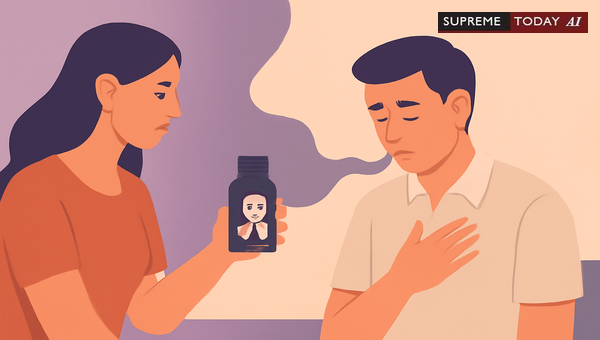
Wife Poisoning Husband: Cruelty or IPC Crime?
In the realm of matrimonial disputes, few allegations are as shocking as one spouse accusing the other of administering poison or a harmful potion. Imagine a scenario where a husband claims his wife gave him a substance that endangered his health or life. Is this merely a family quarrel, or does it cross into the territory of legal cruelty or even criminal offense? This blog delves into the legal implications, drawing from key judgments under the and .
The question at hand—Accused of Administering Positioning to Wife—appears to reference poisoning allegations in a spousal context, often flipped in cases where wives are accused of harming husbands, or vice versa. Courts typically examine such claims through the lens of cruelty under and potential IPC violations. Generally, these acts may qualify as cruelty if they cause harm or reasonable apprehension of harm, while criminal liability hinges on intent and evidence. Note: This is general information, not specific legal advice. Consult a qualified lawyer for your situation.
Main Legal Finding: Cruelty Under Hindu Marriage Act
Under , cruelty encompasses acts causing physical or mental harm, or a reasonable apprehension thereof. Legal documents clearly indicate that the administration of a potion or poison by a wife to her husband, with or without malicious intent, can constitute cruelty if it leads to health issues or life threats 2021 0 Supreme(Ker) 365.
In one pivotal case, the court found that a wife's act of administering a potion resulted in the husband's health problems and posed a danger to his life, establishing cruelty and entitling him to judicial separation 2021 0 Supreme(Ker) 365. The intent is crucial: even without direct malice, if the act causes harm or fear of future harm, it qualifies 2021 0 Supreme(Ker) 365.
Key Elements of Cruelty
- Health Impact: Potion causing physical ailments or life endangerment 2021 0 Supreme(Ker) 365.
- Apprehension of Harm: Reasonable fear of recurrence based on the act 2021 0 Supreme(Ker) 365.
- No Need for Malice: Harmful consequences suffice for matrimonial relief 2021 0 Supreme(Ker) 365.
Criminal Liability Under Indian Penal Code
Beyond matrimonial law, such acts may trigger IPC charges. Administering poison with intent to harm can fall under:- : Causing hurt by poison, as in re Chinna Hanumakka, where a woman was convicted for giving aconite powder to influence her husband's behavior, not to kill 1993 0 Supreme(AP) 470.- : Death by negligence if unintended but foreseeable 1993 0 Supreme(AP) 470 1960 0 Supreme(P&H) 177.- : Murder if intent to kill is proven 2002 7 Supreme 172.
Courts stress proving three elements for serious charges like murder by poisoning: death by poison, accused's possession of the substance, and opportunity to administer it 2002 7 Supreme 172. In Anant Lagu, the Court emphasized conclusive circumstantial evidence; weak chains lead to acquittal 2002 7 Supreme 172.
Administering poison or a potion with intent to cause harm or death can amount to an offence under the IPC, particularly under Sections 302 (murder) or 304-A (causing death by negligence) 1993 0 Supreme(AP) 470 2021 0 Supreme(Ker) 365. Without intent or knowledge of danger, it may downgrade to Section 328 1993 0 Supreme(AP) 470.
Insights from Related Cases: Both Sides of the Coin
While the core analysis focuses on wife-to-husband scenarios, Indian courts frequently handle reverse accusations—husbands charged with poisoning wives—offering broader context on evidence standards.
- In a bail plea, the accused (husband) faced murder charges for allegedly poisoning his wife over a Rs. 3 lakhs demand, but death was attributed to suicide out of family frustration
. FIR suggested matrimonial discord, highlighting how frustration can blur lines.
- Another case saw a husband accused of killing wife and children via poison; lack of direct evidence led to scrutiny of circumstantial proof
.
- Bail was granted to a petitioner accused of supplying poison to his wife, considering custody duration, co-accused release, and family duties 2025 Supreme(Online)(Ori) 1177. The court noted: The bail application is filed under ... the grounds for bail have been established.
Conversely, in abetment to suicide cases tied to poisoning allegations, bail was allowed due to no other evidence against the applicant in regard to administering the wife of the informant with poison
. The court held: There is no evidence against the applicant to support the charge of abetment to suicide
.
Acquittals are common without strong proof. In one murder trial, inconsistent witness testimonies and delayed FIR led to acquittal: The prosecution failed to prove the charges beyond reasonable doubt 2017 0 Supreme(Jhk) 1873. Similarly, for dowry death via poison, lack of cruelty evidence prevented presumption 2013 0 Supreme(Raj) 959.
These cases underscore: Evidence is king. Prosecution must show possession, opportunity, and (guilty mind) 2002 7 Supreme 172 1993 0 Supreme(AP) 470.
Circumstances, Intent, and Evidence Burden
Courts differentiate based on facts:- No Intent to Kill: Section 328, as in re Chinna Hanumakka—aconite to control behavior 1993 0 Supreme(AP) 470.- Knowledge of Danger: Elevates to culpable homicide 1993 0 Supreme(AP) 470.- Good Faith Acts: Less likely criminal, but still cruelty if harmful 2021 0 Supreme(Ker) 365.
The courts require that the prosecution prove that the accused possessed the poison, had the opportunity, and intended to cause harm or knew the substance was likely to cause death 1993 0 Supreme(AP) 470 2021 0 Supreme(Ker) 365. Direct evidence is rare; circumstantial must be airtight 2002 7 Supreme 172.
From other sources, family disputes often fuel FIRs, but prolonged custody without proof leads to bail
2025 Supreme(Online)(Ori) 1177. In a heinous case, a father convicted under Section 302 for giving HIV drugs to his son suspecting infidelity—motive proven via child witness and medical evidence 2018 0 Supreme(Kar) 64.
Exceptions and Practical Recommendations
- Exceptions: Acts without malice or knowledge may avoid murder but not cruelty 1993 0 Supreme(AP) 470. Good faith (e.g., traditional remedies) rarely excuses harm.
- Recommendations:
- Gather medical reports, witness statements, and toxicology.
- Prove intent via possession/opportunity.
- In matrimonial cases, seek separation promptly.
- Courts should differentiate cruelty from crime via evidence 2021 0 Supreme(Ker) 365.
Key Takeaways
- Wife administering potion/poison to husband typically constitutes HMA cruelty if harmful 2021 0 Supreme(Ker) 365.
- IPC liability depends on intent: Section 328 for hurt, higher for death 1993 0 Supreme(AP) 470.
- Proof is paramount—weak evidence favors accused, as in numerous bail/acquittal cases 2002 7 Supreme 172
.
Matrimonial poisoning allegations demand careful legal navigation. While courts protect victims, the burden remains high. Always seek professional counsel.
References:1. 1993 0 Supreme(AP) 470: Poisoning intent and IPC liability.2. 2021 0 Supreme(Ker) 365: HMA cruelty via potion.3. 2002 7 Supreme 172: Murder by poisoning principles.
#MatrimonialCruelty, #SpousalPoisoning, #IPCLawIndia















