
 Back
Back


IN THE HIGH COURT OF JUDICATURE AT ALLAHABAD
Ajit Kumar
Raj Kumar Yadav – Appellant
Versus
State of U.P. – Respondent
Based on the provided legal document, the key legal principles and considerations are as follows:
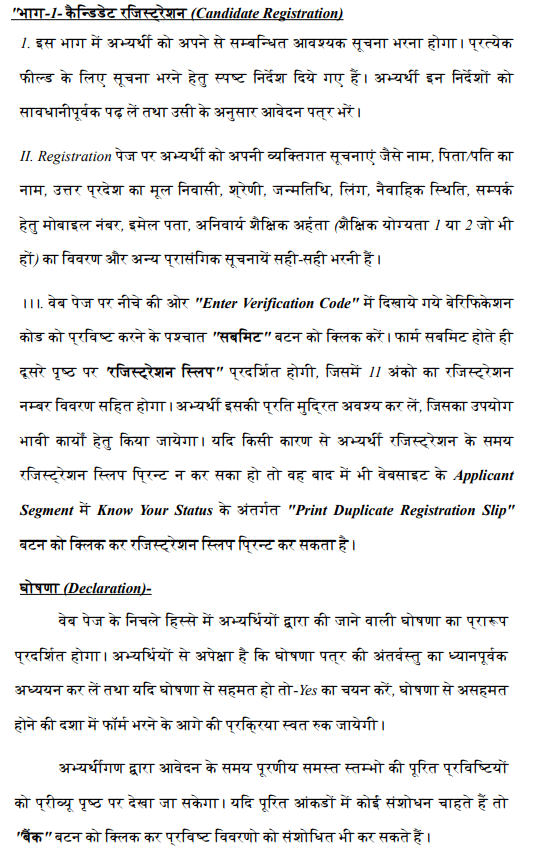
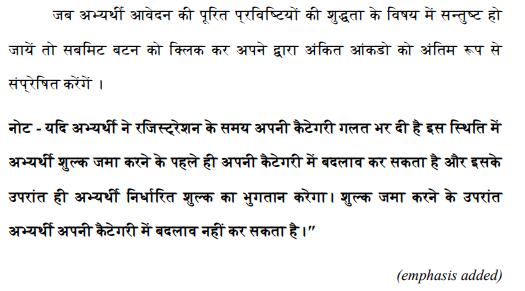
Strict Adherence to Application Procedures: The court emphasized that candidates are required to follow the application process strictly, including filling out forms accurately and within prescribed timelines. Once the fee is paid and the application is finalized, no further amendments are generally permitted (!) (!) .
Human Error and Inadvertence: The courts recognize that human errors are common and can be considered innocent or bona fide, especially when they do not confer any undue advantage to the candidate. Such errors are often treated as inadvertent and not constituting fraud or misrepresentation (!) (!) (!) (!) (!) .
Timing of Error Discovery: A critical factor is whether the candidate becomes aware of the mistake before or after the declaration of results. Generally, if the mistake is discovered after results are declared, the court tends to uphold the finality of the recruitment process, especially when the process has been completed, recommendations made, and appointments issued (!) (!) (!) .
Finality of the Recruitment Process: Once the selection process is complete, including the declaration of results and issuance of appointments, courts are reluctant to entertain requests for correction or re-opening of the process based on errors discovered post hoc. This is to maintain transparency, certainty, and fairness in the recruitment process (!) (!) (!) .
Reservation and Category Corrections: Corrections related to reservation categories or application for different categories are generally not entertained after the final submission and verification, especially when candidates participated in the process as per their declared categories. The principle is that candidates are bound by their initial declarations unless errors are identified and rectified before the final process (!) (!) (!) (!) .
Effect of Mistakes on Merit and Selection: The courts tend to prioritize merit and the integrity of the selection process. Allowing corrections after the process has concluded could lead to disruptions, unfair advantages, or displacement of other candidates. Therefore, mistakes that place candidates at a disadvantage are less likely to be corrected post-results (!) (!) .
Vigilance and Due Diligence: Candidates are expected to be vigilant and ensure accuracy while filling application forms. Errors that could have been rectified if identified timely are generally not accepted as valid grounds for correction once the process is complete (!) (!) .
Equity and Fairness: The courts balance the principles of equity and fairness, considering whether the errors were innocent and whether correction would cause prejudice to other candidates or disrupt the final list. When the process is complete, and appointments are made, the scope for correction diminishes significantly (!) (!) .
In summary, the legal stance as reflected in this document indicates that while human errors are recognized, the finality of the recruitment process, adherence to application procedures, and the timing of error discovery are paramount. Corrections are generally not permitted after the process has been concluded, especially when the candidates participated in the process based on their initial declarations, and appointments have been issued.
JUDGMENT :
Ajit Kumar, J.
1. Heard Sri Kailash Singh Kushwaha and Sri Mujeeb Ahmad Siddiqui for the petitioner, Sri Prabhakar Awasthi, learned counsel appearing for the U.P. State Sub-ordinate Services Selection Board and Sri Rahul Malviya, learned Standing Counsel for the State- respondents.
2. These five petitions are those candidates who had applied for respective categories of posts as per their eligibility, advertised by the U.P. State Sub-ordinate Services Selection Board (hereinafter referred to as the UPSSSC) on 05.12.2018 vide advertisement No.5-Examination/2018.
3. Petitioner Raj Kumar Yadav in Writ Petition No.10825 of 2014 had been applicant for the post of Mandi Supervisor Grade-II and Mandi Inspector in OBC category. While he filled up the form and got it successfully uploaded with the deposit of fee but quite late at the time when the results came to be declared, he came to realise that it was for his mistake that instead of OBC category he got considered as a General category candidate even though, he typed his father’s name as Ram Surat Yadav and wanted to claim reservation. Thus he got wrongly treated as of general category and having not scored at par with last candi


The main legal point established in the judgment is the binding effect of the settlement between the parties, the waiver of the right to seek re-employment by the workmen, and the entitlement of the ....

A lockout is justified if it is declared in response to an illegal strike or a strike that is in breach of a settlement or award.

The combination of eyewitness testimonies, recovery of the weapon used, and forensic examination results can establish guilt in criminal cases, even based on circumstantial evidence.


The conviction of an accused person under Section 27(3) of the Arms Act is not permissible in law if the accused is also charged with committing murder under Section 302 of the Indian Penal Code.

The court can enhance compensation based on the deceased's income and family dependency, and adjust the multiplier used by the Tribunal if found unjustified.



An indispensable Tool for Legal Professionals, Endorsed by Various High Court and Judicial Officers
Please visit our Training & Support
Center or Contact Us for assistance

Scan Me!
India’s Legal research and Law Firm App, Download now!


For Daily Legal Updates, Join us on :

 Back to top


