


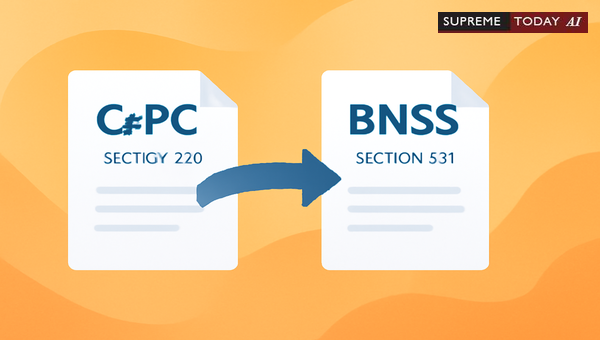
CrPC Section 200 Equivalent in BNSS 2023: A Seamless Transition Guide
Introduction
The Indian criminal justice system underwent a significant overhaul with the introduction of the , which replaced the , effective . One common query among legal practitioners and citizens is: what’s the equivalent of in the new BNSS? This section, pivotal for examining complainants and witnesses in -led inquiries, raises concerns about during the transition.
This blog post demystifies the answer, focusing on how BNSS handles legacy proceedings. We'll explore the , judicial interpretations, and practical implications, drawing from authoritative sources. Note: This is general information; consult a legal expert for specific advice.
What is ?
Section 200 of the CrPC, 1973, mandates the examination of the complainant and witnesses by a upon receiving a complaint. Its core purpose is to ascertain if there's sufficient ground to proceed with the case, preventing . As quoted: Section 200 - Examination of Complainant and Witnesses - Duty of ... This procedural safeguard ensures before issuing process.
With BNSS replacing CrPC, the fear of disruption in ongoing cases—especially those at the inquiry stage under Section 200—prompted clear transitional provisions.
The Transition from CrPC to BNSS
BNSS came into force on , marking the end of CrPC's 150-year reign. To avoid chaos, BNSS includes Section 531(2)(a), a preserving the old law for pre-enforcement matters. The equivalent of Section 200 of the CrPC in the new BNSS is found in Section 531(2)(a), which preserves for pending inquiries, investigations, and trials as per the law applicable at the time of FIR registration.
This clause states: not only the pending trial/appeal, but even an inquiry and/or , which is underway prior to coming into force of the BNSS, shall have to be dealt with in accordance with the provisions of Cr.P.C., 1973 and not under the BNSS, 2023.2024 0 Supreme(Gau) 1072
Section 531(2)(a) BNSS: The Key Savings Provision
Core Provisions
- Pending Proceedings: Inquiries, investigations, or trials started before , continue under CrPC. explicitly states that pending inquiries, investigations, or proceedings prior to the enforcement of BNSS shall be dealt with under the provisions of Cr.P.C., 1973.
- FIR Date Decides: The law as on the date of registration of the FIR determines the applicable legal framework.2024 0 Supreme(Gau) 1072
- Purpose: Ensures legal continuity and prevent disruption during transition.
This directly correlates to Section 200 procedures, allowing Magistrates to apply CrPC examination rules for pre-BNSS complaints.
Detailed Analysis and Judicial Insights
Contextual Background
The mirrors global best practices for legal transitions, prioritizing fairness. For instance, Cr.P.C., dated , reads as follows: ORDER BNSS . (ii) In the pending on (on the date of commencement of New Criminal Laws), will continue as per the Cr.P.C.2025 Supreme(Online)(Kar) 33524
Case Law Support
Judicial rulings reinforce this:- In a jurisdictional dispute, the court quashed a flawed order under mixed laws, holding: The legislation mandates that cases pending before the enforcement of BNSS shall continue as per the CrPC.2025 Supreme(Online)(Kar) 33524 It emphasized investigations initiated before BNSS must adhere to CrPC procedures.- Another ruling clarified: A perusal of the said Sub Section 531(2)(A), it clearly reflects that not only the pending trial/appeal, but even an application, inquiry, or which is pending prior to coming into force of the BNSS, shall have to be dealt with in accordance with the provisions of Cr.P.C., 1973 and not under the BNSS, 2023.2024 0 Supreme(Gau) 1072- 2025 5 Supreme 321: Explains that proceedings pending before BNSS are to be dealt with under Cr.P.C. if initiated prior to enforcement.
Related contexts, like appeals by Section 200 complainants, affirm rights under CrPC persist. A person who is a complainant under Section 200 of the CrPC... has the right to prefer an appeal as a under the to .2025 Supreme(Online)(MP) 9699 2026 Supreme(Online)(MP) 897
Broader Implications
While not direct equivalents, provisions like (akin to CrPC 156(3)) introduce mandates like prior Superintendent applications, but savings apply to old cases. A comparison of Section 1753 of the BNSS with Section 1563 of the CrPC indicates three prominent changes...2025 0 Supreme(Gau) 609
complaints under also respect transitions, ensuring no immunity for outside duties. Public servants are not immune from prosecution for criminal acts committed outside the scope of their official duties...2024 0 Supreme(Ker) 1104
Exceptions and Limitations
- Applies Only Pre-: New FIRs post-enforcement follow BNSS fully.
- No Retroactive Application: Post-BNSS complaints use new sections, e.g., potentially updated examination rules.
- Verification Essential: Always check FIR date. Courts and legal practitioners should verify the date of FIR registration to determine whether proceedings are governed by Cr.P.C. or BNSS.
Practical Recommendations for Stakeholders
- Legal Practitioners: Cite Section 531(2)(a) in transitional arguments; track FIR dates meticulously.
- Courts: Apply CrPC to legacy inquiries under Section 200 to uphold continuity.
- Complainants/Accused: Understand your framework based on initiation date; seek appeals under applicable law.
- Police: Continue investigations per CrPC for pre-BNSS FIRs. The court clarified that ongoing investigations must follow the Criminal Procedure Code if initiated before...2025 Supreme(Online)(Kar) 33524
During transitional phases, adherence to Section 531(2)(a) is essential.
Key Takeaways
| Aspect | CrPC (Pre- FIRs) | BNSS (Post-) ||--------|-----------------------------|-------------------------|| Section 200 Equivalent | Governed by CrPC via 531(2)(a) | New provisions apply || Inquiry Examination | examines under CrPC | Updated BNSS rules || Continuity | Fully preserved | Fresh start |
In summary, the equivalence of in the BNSS framework is embodied in Section 531(2)(a)—ensuring ongoing inquiries are governed by CrPC. This balanced approach safeguards justice amid reform. Stay informed on updates, as courts continue interpreting these shifts.
References:1. 2025 5 Supreme 3212. 2024 0 Supreme(Gau) 10723.
4. 2025 Supreme(Online)(Kar) 33524
This post provides general insights based on available sources (as of latest data). Legal outcomes may vary; professional advice recommended.
#BNSS2023, #CrPCtoBNSS, #LegalTransition















