


Understanding : A Comprehensive Legal Guide
In today's digital age, where intellectual assets often hold more value than physical goods, grasping the concept of is essential for businesses, creators, and legal professionals alike. But what exactly does mean? This term often arises in discussions of property law, taxation, and rights enforcement, distinguishing intangible rights from tangible assets.
This blog post dives deep into the meaning of , exploring its definition, classification, characteristics, and real-world implications. Drawing from legal precedents and definitions, we'll clarify how these non-physical rights are treated under the law—generally speaking, as they can be owned, transferred, and protected much like physical property. Note: This is general information and not specific legal advice; consult a qualified attorney for your situation.
What is the Meaning of ?
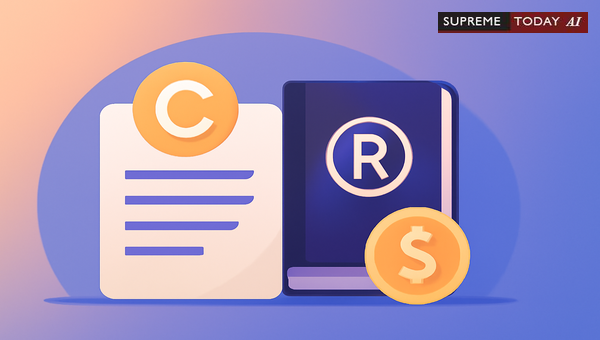
refers to rights or interests that lack physical existence but are recognized as valuable legal rights. Unlike a house or car, which you can touch, exists conceptually. According to legal documents, it encompasses intangible rights such as copyrights, patents, and trademarks, classified as incorporeal because they represent ownership over something immaterial 2018 0 Supreme(Gau) 718.
It is further characterized as a legal right in property that has no physical existence, with examples like patent rights and copyrights 2018 0 Supreme(Gau) 718. The term property broadly includes both corporeal (tangible) and incorporeal (intangible) assets, as seen in contexts like the 2018 0 Supreme(Del) 1061
.
highlights that not all assets need a physical form to hold economic or legal value. For instance, the benefit arising from a contract or intellectual creation qualifies as such 2017 0 Supreme(Mad) 4063.
Classification of
is typically divided into two main classes:
- : These involve encumbrances over material or immaterial things, such as leases, mortgages, and servitudes 2018 0 Supreme(Gau) 718.
- : This pertains to full ownership over an , including patents, copyrights, and trademarks 2018 0 Supreme(Gau) 718.
This classification helps delineate rights based on their scope—whether they burden another's property or confer absolute dominion. Additional sources affirm that includes (rights enforceable by legal action, like debts) and other
. Patents, copyrights, and trademarks are explicitly noted as incorporeal movable property, alongside leases and servitudes 2016 0 Supreme(Del) 1584.
Key Characteristics of
Several traits set apart:
- Non-Physical Existence: It cannot be seen or handled physically. For example, while a house is corporeal, the annual rent payable for its occupation is incorporeal 2021 0 Supreme(Ker) 572.
- Transfer Mechanism: Transfer requires a written instrument, not physical delivery. Incorporeal rights like trademarks are transferred through legal rather than handover 2021 0 Supreme(Ker) 572
.
Ownership differs from possession: ownership is the legal relationship to a right, while possession involves its actual exercise 1973 0 Supreme(MP) 27. Courts recognize that any property in would include corporeal or , emphasizing enforceability regardless of form 2021 0 Supreme(Mad) 3166 2019 7 Supreme 559.
Examples of from Legal Contexts
Legal cases provide vivid illustrations:
- Intellectual Property Rights: Copyrights, patents, and trademarks are prime examples. They are like rights that can be taxed and transferred 2021 Supreme(Online)(MAD) 3880 2021 Supreme(Online)(MAD) 3881.
- and Debts: These are intangible rights not reducible to physical possession but still property
. as rights that may not be seen or handled but are recognized as property, including choses-in-action and copyrights
.
- Other Intangibles: Rights under contracts, servitudes, and securities fall here. The expression movable property includes corporeal as well as , covering patents and copyrights 2016 0 Supreme(Del) 1584.
However, not all rights qualify; they must have exchangeable or market value. An incorporeal right lacking such value may not be property within the legal meaning
. Electric current, for instance, isn't movable property, underscoring definitional precision
.
Legal Implications and Distinctions
The corporeal vs. incorporeal divide impacts various areas:
- Taxation and Enforcement: Incorporeal rights like trademarks are as intangible property 2021 Supreme(Online)(MAD) 3880. They cannot always be distrained like movables
.
- Transfer and Prescription: Only corporeal goods allow physical delivery; incorporeal ones use , affecting limitation periods
.
- Litigation: The word 'property' covers both movable or immovable and corporeal or , even benefits from contracts 2017 0 Supreme(Mad) 4063.
In money laundering laws, the broad property definition ensures intangible assets are scrutinized 2018 0 Supreme(Del) 1061
. Rights must typically accrue for possession suits 2021 0 Supreme(Mad) 3166.
Conclusion and Key Takeaways
embodies the evolution of assets in modern law—valuable rights without physical form, such as copyrights, patents, trademarks, and . Classified into and , it demands specific handling for transfers and enforcement 2018 0 Supreme(Gau) 718.
Key Takeaways:- Recognize as intangible yet legally robust rights.- Use written instruments for transfers to avoid disputes 2021 0 Supreme(Ker) 572.- Distinguish ownership from possession for better rights management 1973 0 Supreme(MP) 27.- Ensure market value for property classification
.
Understanding these nuances aids in IP protection, business deals, and compliance. For tailored guidance, seek professional legal counsel.
References include: 2018 0 Supreme(Gau) 718 2021 0 Supreme(Ker) 572 1973 0 Supreme(MP) 27 2018 0 Supreme(Del) 1061 2021 0 Supreme(Mad) 3166 2019 7 Supreme 559 2017 0 Supreme(Mad) 4063 2016 0 Supreme(Del) 1584 2021 Supreme(Online)(MAD) 3880 2021 Supreme(Online)(MAD) 3881















