


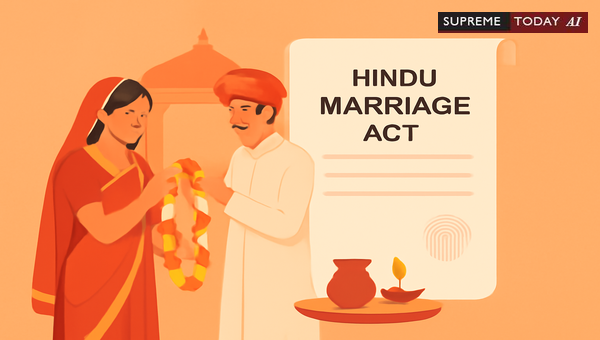
Essential Ingredients for a Valid Marriage in India
Marriage is a cornerstone of Indian society, blending personal choice with deep-rooted traditions and legal frameworks. But what makes a marriage legally valid? Understanding the ingredients of a valid marriage is crucial to avoid disputes over rights like maintenance, inheritance, or even criminal charges like . In this post, we explore the essential elements under India's diverse personal laws—Hindu, Muslim, Christian, and others—drawing from court precedents and statutes.
Whether you're planning a wedding or facing a legal challenge, knowing these requirements can safeguard your future. Note: This is general information, not specific legal advice. Consult a qualified lawyer for your situation.
Overview of Marriage Laws in India
India's marriage laws are governed by personal laws based on religion and customs. The , applies to Hindus, Sikhs, Jains, and Buddhists; the , for civil marriages; and separate laws for Muslims, Christians, and Parsis. Despite variations, common threads include consent, capacity, and ceremonies. Courts emphasize that a marriage must be solemnized properly to be valid—mere intentions or registrations often fall short. 2025 0 Supreme(Gau) 576
025001150037
Key Ingredients of a Valid Marriage
Here are the core components, supported by legal insights:
1.
Both parties must give . Coercion, fraud, or unsound mind invalidates the marriage. As held in precedents, Both parties must provide to the marriage. This is a fundamental requirement, as a marriage cannot be valid if either party lacks the capacity to consent, such as being of unsound mind. 2023 0 Supreme(SC) 1046 1992 0 Supreme(Ker) 16
Under the Hindu Marriage Act, consent must be mutual and informed. Marriages under duress can be declared by courts. 1992 0 Supreme(Ker) 16 2023 0 Supreme(SC) 1046
2. Legal Capacity to Marry
Parties must meet age requirements (typically 21 for males, 18 for females under personal laws) and not fall within . For Hindus, lists conditions like no living spouse and mental fitness. 2023 0 Supreme(SC) 1046
Essential Ingredients for a Valid Hindu Marriage include the parties' capacity (competency), mutual consent, and the performance of prescribed rites. 2025 0 Supreme(Gau) 576 2024 0 Supreme(All) 1015
3. Performance of Prescribed Ceremonies and Rites
This is often the make-or-break element. The marriage must follow rituals of the applicable personal law. For Hindus, requires (seven steps) or customs like tying the . Courts have ruled: The marriage must be solemnized according to the rituals and ceremonies prescribed by the personal law applicable to the parties. For instance, in Hindu marriages, the is often considered an essential ceremony. 2001 6 Supreme 772 1985 0 Supreme(Ker) 129
Crucially, registration alone does not prove validity. Thus, in the absence of a valid marriage, marriage certificate of Arya Samaj is not proof of a valid marriage of the plaintiff-appellant and the defendant-respondent. 2025 0 Supreme(All) 2375 Registration is evidentiary, not constitutive. Mere compliance with statutory conditions without rites—like absence of a priest or key rituals—renders it invalid. 2024 0 Supreme(All) 1015
2017 0 Supreme(Mad) 3352
Question: (a) Whether a mere registration of an alleged marriage would be sufficient to prove a valid Hindu marriage in the absence of proof of ingredients for valid marriage? Courts say no. 2017 0 Supreme(Mad) 3352
4. No Subsisting Previous Marriage
is criminalized under . A second marriage is void if the first subsists without dissolution. If either party has a subsisting marriage, the second marriage may be deemed invalid unless the first marriage has been legally dissolved. 2001 6 Supreme 772 2023 0 Supreme(SC) 1046
5. Social Recognition and Presumption
Long-term cohabitation as husband and wife, accepted by society, raises a . However, this is rebuttable and requires proof of ceremonies. A marriage is often presumed valid if the couple has lived together as husband and wife and has been accepted as such by their community. 2001 0 Supreme(SC) 870 2013 8 Supreme 122
In customary marriages, by habit and repute can arise, but this is subject to proof of proper solemnization.
Exceptions, Limitations, and Common Pitfalls
Cohabitation Without Formalities: Long-term cohabitation may lead to a , but this does not equate to a legally recognized marriage unless the formalities are satisfied. 2001 0 Supreme(SC) 870
Marriages: Those under duress, fraud, or lacking capacity are void. Void marriages can't claim rights like under . 1992 0 Supreme(Ker) 16 2023 0 Supreme(SC) 1046 2025 0 Supreme(Gau) 905 2024 4 Supreme 165
Invalid Due to Missing Rites: Even with love and commitment, absence of ceremonies fails the test. Note: While sources mention Main ingredients of a successful marriage are... love, commitment, these are social, not legal. Legal validity hinges on form. 2014 0 Supreme(P&H) 1380
Irrelevant to validity but noteworthy: Courts note a normal and healthy sexual relationship is one of the basic ingredients of a happy and harmonious marriage, but denial may constitute cruelty post-marriage, not affect validity. 2014 0 Supreme(MP) 410 2013 0 Supreme(Ker) 184
Legal Consequences of Invalid Marriages
Without validity:- No maintenance or inheritance rights.- charges possible.- Children may still be legitimate under some laws, but rights vary.
Validity of Marriage - A marriage is considered valid under the law when it fulfills specific legal and customary requirements, including proper solemnization... Without these, a marriage cannot be recognized legally. 2025 0 Supreme(Gau) 576
025001150037
Conclusion and Key Takeaways
In summary, the ingredients of a valid marriage in India typically include:- Free, voluntary consent.- Legal capacity (age, no prohibitions).- Proper ceremonies per personal law.- No subsisting marriage.- Potential social presumption with proof.
Analysis and Conclusion: A marriage is legally valid only if it is performed according to the prescribed rites and ceremonies... Registration alone does not establish validity. 2025 0 Supreme(Gau) 576
025001150037
To ensure validity, document ceremonies (photos, witnesses) and register promptly. Seek legal counsel tailored to your faith and customs—requirements vary!
References
- 1979 0 Supreme(SC) 81 2023 0 Supreme(SC) 1046 2001 6 Supreme 772 1992 0 Supreme(Ker) 54 1992 0 Supreme(Ker) 16 2001 0 Supreme(SC) 870 2013 8 Supreme 122
- Additional: 2025 0 Supreme(Gau) 576 2025 0 Supreme(All) 2375 2017 0 Supreme(Mad) 3352
Word count: ~950. This post aims to educate; professional advice is essential.
#ValidMarriageIndia, #MarriageLaws, #HinduMarriageAct















