


Brothel Seizure Under ITP Act: Legal Guide & Insights
Introduction
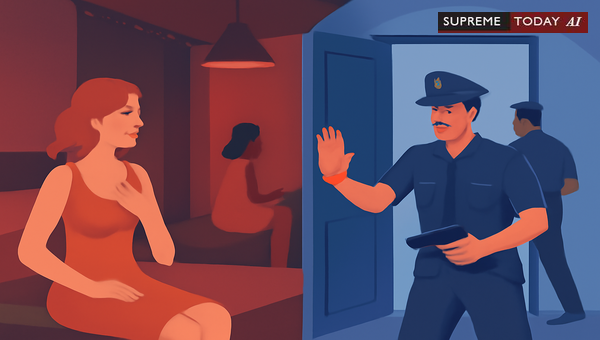
In India, police raids on suspected prostitution houses often raise questions about the legality of seizing premises labeled as brothels. A common query revolves around the seizure of brothel house prostitution house RDO seized—referring to actions by authorities, including Resident Deputy Collectors (RDOs), under the . This blog post breaks down the key legal provisions, evidence requirements, customer liability, and court precedents to provide clarity on when such seizures hold up and what happens to those involved.
Note: This is general information based on legal precedents and not specific legal advice. Consult a qualified lawyer for your situation.
What Constitutes a Brothel Under the ITP Act?
The foundation of any brothel-related seizure lies in the definition of a brothel. defines a brothel as any house, room, or place used for purposes of sexual exploitation or abuse for the gain of another person or for the mutual gain of two or more prostitutes. 1973 0 Supreme(Mad) 272
Courts have consistently ruled that a to classify premises as a brothel. Multiple instances or evidence of ongoing are typically required. For example:- A single act of prostitution does not suffice to establish that a place is a brothel. 1973 0 Supreme(Mad) 272 1939 0 Supreme(Mad) 204 2019 0 Supreme(Ker) 293- A brothel implies a house of ill-fame used for prostitution, typically managed by a , where men resort for sexual services with women present in the house.
Isolated acts or the presence of one woman engaging in sex work do not transform a house into a brothel. , with multiple participants, is key.
Key Offences and Penalties Under the ITP Act
The ITP Act targets those facilitating prostitution, not participants. Relevant sections include:1. Section 3: Punishment for keeping or managing a brothel.2. Section 4: Punishment for living on the earnings of prostitution.3. Section 5: Punishment for procuring or inducing a person for prostitution. 2023 0 Supreme(MP) 190
These provisions focus on operators, procurers, and exploiters. Mere presence or isolated acts fall outside their scope. 2023 0 Supreme(MP) 190 2024 0 Supreme(All) 520
Validity of Seizure: Evidence Matters
Seizures during raids are common, but their legality depends on proving brothel operations. Authorities may seize cash, objectionable articles, or liquor to support charges. However:- In one case, no liquor was seized from possession of petitioner... alleged liquor was seized from kitchen room of the premises. The petitioner, accused as a customer, faced scrutiny under alongside prostitution allegations. 2024 0 Supreme(MP) 787- Seizures of objectionable articles and cash have bolstered cases where premises were proven as brothels, especially involving minors forced into prostitution. Witness testimonies and seizure lists confirmed management and earnings from immoral activities. 2024 0 Supreme(Pat) 164 2022 0 Supreme(Cal) 1229
For eviction, magistrates must issue a and confirm the premises are used as a brothel: Magistrate shall hear the person concerned and shall record his satisfaction that house, room, place or portion of house is being used as a brothel... may pass order of the eviction of the occupier within seven days. 2014 0 Supreme(UK) 509
Without substantial evidence—like multiple prostitution instances or commercial gain—seizures may be challenged successfully. The prosecution bears the . 1939 0 Supreme(Mad) 204 2019 0 Supreme(Ker) 293
Customer Liability: Generally Not Prosecuted
A critical aspect of brothel raids is the fate of customers found on-site. Courts have repeatedly held that customers are not criminally liable under the ITP Act:- Customers found in a brothel during a police raid are generally not criminally liable under the ITP Act... mere presence as a customer does not attract prosecution under Sections 3, 4, or 5. 2022 0 Supreme(AP) 1361 2022 0 Supreme(Telangana) 342 2022 0 Supreme(AP) 190- Obviously, the allegation against the petitioner/A.4 is not that of either running brothel house or procuring women... He was booked... only as a customer of the flesh trade. Therefore, Sections 3 to 5 are not applicable to him. 2015 0 Supreme(AP) 93- The legal position is well-established that customers do not fall under the provisions aimed at punishing those who manage or exploit prostitution. 2022 0 Supreme(AP) 1361 2022 0 Supreme(Cal) 236
Proceedings against customers are often quashed due to lack of evidence linking them to management. 2022 0 Supreme(AP) 1361 2022 0 Supreme(Telangana) 342 2022 0 Supreme(AP) 190 2024 0 Supreme(All) 520
Court Precedents and Real-World Cases
Judicial rulings reinforce these principles:- In raids, absence of independent witnesses or proof of active involvement protects customers. 2024 0 Supreme(All) 520- Cases involving minors highlight stricter scrutiny: Victims found in helpless condition and forced into brothels led to convictions under related sections like 366 IPC, supported by identification parades. 2008 0 Supreme(Bom) 1413- Threats and sales to brothels were proven in abduction cases, but required concrete evidence beyond presence. 1998 0 Supreme(AP) 929- Allegations of running brothels alongside liquor dens were probed, emphasizing the need for -level inquiries in serious claims. 1993 0 Supreme(P&H) 278
These precedents show courts demand habitual, commercial activity—not solitary acts—for brothel classification.
Challenges and Recommendations
If facing a seizure or charges:- Challenge evidence: Argue lack of multiple instances or commercial proof.- For customers: Cite precedents quashing proceedings based on mere presence.- Operators: Focus on distinguishing isolated acts from brothel operations.
Seizures may be valid with strong evidence, like in cases forcing minors into prostitution. 2024 0 Supreme(Pat) 164
Conclusion and Key Takeaways
Under the ITP Act, brothel seizures hinge on proving ongoing sexual exploitation for gain, not one-off incidents. Customers typically escape liability, as the law targets managers and procurers. Always gather evidence to challenge weak cases, and seek professional legal help.
Key Takeaways:- Single prostitution act ≠ brothel. 1973 0 Supreme(Mad) 272 1939 0 Supreme(Mad) 204- Customers not liable under Sections 3-5. 2022 0 Supreme(AP) 1361 2015 0 Supreme(AP) 93- Magistrates need satisfaction for evictions. 2014 0 Supreme(UK) 509- Evidence like seizures supports strong cases, especially with minors. 2024 0 Supreme(Pat) 164
References: 2023 0 Supreme(MP) 190 2022 0 Supreme(AP) 1361 2022 0 Supreme(Cal) 236 2022 0 Supreme(Telangana) 342 1973 0 Supreme(Mad) 272 2019 0 Supreme(Ker) 293 2022 0 Supreme(AP) 190 1939 0 Supreme(Mad) 204 2024 0 Supreme(MP) 787 2015 0 Supreme(AP) 93 2014 0 Supreme(UK) 509 2008 0 Supreme(Bom) 1413 1998 0 Supreme(AP) 929 1993 0 Supreme(P&H) 278 2024 0 Supreme(Pat) 164 2022 0 Supreme(Cal) 1229
2024 0 Supreme(All) 520 #ITPAct #BrothelLaws #ProstitutionLawIndia















