


Can Villagers File a Against Mining Blasts and Dust Pollution?
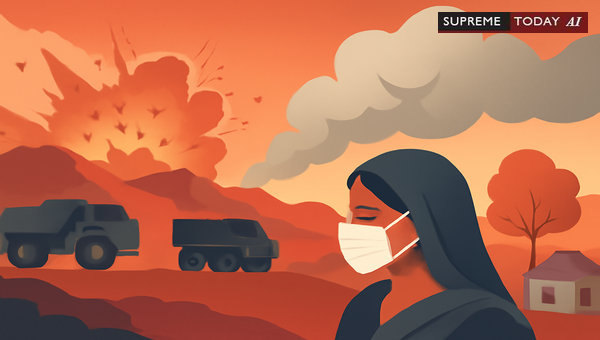
In rural India, mining activities often bring economic benefits but also serious environmental and health challenges. Imagine villagers near a quarry enduring frequent blasts that shake homes and thick dust clouds that choke the air, leading to respiratory issues and damaged crops. A common question arises: requirement mining blast and dusting effect on village people they want to —can affected communities file a () to seek relief?
This blog explores the legal framework, court precedents, and practical steps for such cases. While PILs have empowered citizens to address public wrongs, courts strictly scrutinize them to prevent misuse. Note: This is general information based on judicial trends; consult a lawyer for personalized advice.
Understanding PILs in Environmental Contexts
() is a powerful tool under and 226 of the , allowing any public-spirited individual to approach courts for enforcement of public rights, even without personal injury. Indian courts have repeatedly affirmed that environmental degradation, including mining-related issues, qualifies as a public interest matter. For instance, pollution from blasts and dust affecting villagers' health and safety can justify a , provided it's and backed by credible evidence 2017 6 Supreme 104.
Courts emphasize: PILs are meant to address genuine public interest, especially environmental and health concerns 2003 8 Supreme 299 2006 5 Supreme 843. However, they are not for personal vendettas or private gains. In cases involving illegal mining and ecological damage, courts have upheld PILs, stressing environmental protection as a core public duty 2017 6 Supreme 104.
Key Requirements for a Valid on Mining Impacts
To succeed, a must meet strict criteria:
Intent and : Petitioners must show genuine concern, not ulterior motives. Courts dismiss PILs filed for personal gain or as a misused tool 2003 8 Supreme 299 2006 5 Supreme 843. For example, in a case, villagers from Farkiya, Ajmer, filed No.19860/2012 against mining lease activities, including blasts near their village. The court found no substance in the present after reviewing explanations, highlighting the need for solid grounds
.
Credible Facts and Evidence: Vague allegations won't suffice. Petitioners should provide photos, medical reports, soil tests, or expert opinions on dust's health effects. Courts require environmental issues must be substantiated with credible evidence; mere allegations are insufficient 2017 6 Supreme 104.
Public Interest Focus: The harm must affect the community at large, like widespread respiratory ailments or water contamination from dust.
Court Rulings on Mining Blasts and Dust Pollution
Recognizing Environmental Harm from Mining
Mining blasts generate vibrations and flyrock, while dust from operations settles on villages, causing silicosis, asthma, and eye irritation. In cases near Dhedwas village, Bhilwara, applicants challenged mining leases post-, citing thicker topsoil in village centers versus mining peripheries—indicating potential degradation
. Such evidence strengthens PILs.
Courts acknowledge: Mining blasts and dust pollution directly impact villagers’ health, safety, and environment 2017 6 Supreme 104. Statutory violations like lacking or breaching pollution norms under the , or , are challengeable.
Dismissals for Lack of Bona Fides
Not all PILs succeed. In an Assam case, petitioners challenged land laws affecting tribal areas, making wide ranging statements expressing apprehension of the suffering of the people, but the court deemed it frivolous, imposing Rs. 20,000 costs: Public Interest Litigations must be filed and not for personal gain; courts must ensure genuine public interest is involved 2025 0 Supreme(Gau) 500. Similarly, a Meghalaya against mining was dismissed as without merit and tainted with ill design, noting operations benefited the economy and lacked evidence of harm 2018 0 Supreme(Megh) 26.
These underscore: PILs filed without interest or based on false information are liable to be dismissed 2003 8 Supreme 299.
Limitations and Judicial Cautions
Courts caution against abuse:
No Personal Vendetta: PILs shouldn't settle scores or seek publicity 2006 5 Supreme 843.
Evidence-Based Claims: The court emphasized the importance of evidence-based claims in petitions 2018 0 Supreme(Megh) 26.
Avoid Encroaching Domains: PILs must not dictate policy; focus on illegality 2003 8 Supreme 299.
In another instance, a on illegal Bajri mining led to stays, but related contempt claims failed due to lack of proof connecting officials 2013 0 Supreme(Raj) 375.
Practical Steps for Villagers Filing a
If pursuing a :
Gather Evidence: Document blasts (videos/timings), dust levels (independent tests), health records.
Approach Local Authorities First: File complaints with or —courts favor exhaustion of remedies.
File in Appropriate Forum: High Court or for environmental issues.
Seek NGO Support: Groups with expertise enhance credibility.
Recommendations include: Villagers or concerned citizens should ensure their PILs are based on credible, verified facts related to environmental and health impacts 2017 6 Supreme 104. Authorities must proactively monitor and regulate blasting and dust pollution 2003 8 Supreme 299.
Key Takeaways and Conclusion
Villagers impacted by mining blasts and dust may file a if it genuinely serves public interest, supported by facts showing health/environmental harm. Success hinges on bona fides, as courts vigilantly guard against misuse—dismissals with costs are common for weak cases.
Precedents like Ajmer villagers' petition
and Bhilwara matters illustrate both potential and pitfalls. By prioritizing evidence and sincerity, communities can hold polluters accountable.
Disclaimer: This overview draws from cases like 2003 8 Supreme 299, 2006 5 Supreme 843, 2017 6 Supreme 104, and others; it is not legal advice. Outcomes vary by facts—engage qualified counsel.
Stay informed, act responsibly, and protect your environment through lawful means.
#PILIndia, #MiningPollution, #EnvironmentalJustice












