




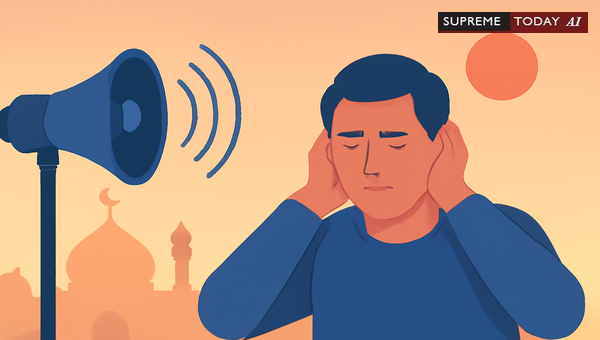
Can You File a Suit Under Section 91 CPC Against Loudspeaker Azaan Noise Pollution?
Noise pollution from loudspeakers used for religious recitals, such as the Azaan, has become a growing concern in densely populated areas. Residents often face disturbances affecting sleep, health, and daily life. But can you take legal action? Specifically, provide a case law saying suit can be filed under section 91 of cpc against the use of loudspeaker for recital of aazan which is creating noise pollution. This question addresses a common grievance where excessive noise is deemed a .
In this post, we explore the legal framework under , key judicial precedents, and practical steps for filing such suits. While courts have recognized noise from religious loudspeakers as actionable, success typically hinges on proving or obtaining court leave. Note: This is general information, not legal advice. Consult a qualified lawyer for your specific situation.
Understanding Section 91 CPC: and Noise Pollution
Section 91 CPC empowers suits against public nuisances or wrongful acts affecting the public. Originally suited for actions by public authorities, amendments and judicial interpretations have expanded it to private individuals under certain conditions. Noise pollution, including from religious loudspeakers, falls under this as it impacts health, safety, and comfort. 1988 0 Supreme(Ker) 83
Key Features of Section 91
- Scope: Covers acts like excessive noise causing widespread harm. Courts view noise pollution from loudspeakers as a if it exceeds permissible limits. 2018 0 Supreme(Mad) 1661
- Private Individuals' Standing: Even without Advocate General consent, two or more persons can sue with court leave post-, even sans special damage. 1988 0 Supreme(Ker) 83 2020 0 Supreme(Chh) 447
- : Rights to sue exist independently; no bar if are shown. 1988 0 Supreme(Ker) 83
The has reinforced this in environmental cases, treating noise as akin to pollution actionable privately if specific harm is proven.
Conditions for Filing a Suit
To succeed, plaintiffs must meet procedural hurdles:
1. Demonstrate or Hardship
- Show distinct harm beyond the public, e.g., health issues, sleep interference, or property devaluation from loudspeaker noise. Proximity to the source strengthens .
- Example: A resident near a mosque proving Azaan noise causes migraines or disrupts work may qualify.
2. Obtain Court Leave
- File application for leave; suit institutes on grant date, not filing. 2020 0 Supreme(Chh) 447
- No leave needed if evident, per Section 91(2). 2018 0 Supreme(Mad) 1661
3. Independent Rights
Suits can proceed outside Section 91 if private rights (e.g., ) are violated.
Even the application in terms of applicability of Section 91 CPC is not mandatory in terms of Section 91 (2) CPC... which may exist independently of the provision made in Section 91 CPC.
Landmark Precedents on Religious Loudspeakers and Noise
Courts have directly addressed loudspeaker noise from religious practices:
Noise as : Held that loudspeakers causing disturbance or health hazards qualify. Private suits viable with specific damage proof, like sleep interference.
Resident Suit Example: Plaintiff near noise source showed proximity and hardship, establishing special damage for . Noise pollution deemed wrongful act under Section 91(1).
Rulings:
- : Restricts loudspeakers; no absolute right to amplify sound infringing others' . balanced against right to quiet. 2018 0 Supreme(Mad) 851 The Honourable in In Re: Noise Pollution... holding that freedom of speech and expression are not absolute – nobody can claim fundamental right to create noise by amplifying the sound of speech with the help of loudspeakers.
- : Environmental pollution as ; private relief available.
- : Acts harming public health, including noise, actionable.
Other cases affirm:- Noise, dust, smoke suits don't always need Section 91 sanction if private rights involved. 2021 0 Supreme(Mad) 2855 caused by noise, dust and smoke, it is seen that would be inapplicable... prior permission is not required... affecting any right of the suit which may exist independently.- Regulation essential; police can intervene on excessive volume. 2017 0 Supreme(Sikk) 5 regulation of volume of loudspeaker is necessary to contain noise pollution as the public at large are entitled to protection from excessive noise pollution.
Procedural Guide and Challenges
Steps to File:
- Gather Evidence: Noise logs, medical reports, decibel readings (per ).
- Seek Leave: Approach with affidavit.
- Reliefs Sought: against loudspeakers, damages.
Challenges from Case Law:
- Suit dismissed if no special damage or leave.
without complying the provision of Section 91 CPC... the present suit was not maintainable.
- Independent suits viable for private nuisances. 1998 0 Supreme(J&K) 79
Environmental tribunals also monitor noise, directing PCBs for compliance, but civil suits remain key for injunctions. 2025 Supreme(Online)(NGT) 2012
Balancing Rights: Religion vs. Public Health
Courts uphold religious freedoms but prioritize (right to life, including pollution-free environment). Loudspeakers for Azaan must comply with time/volume limits; excesses actionable. No fundamental right to disturb neighbors. 2017 0 Supreme(Bom) 1394 The refusal to grant permission to use a loudspeaker for preventing noise pollution does not offend fundamental rights.
Key Takeaways
- Yes, suits under Section 91 CPC are maintainable for Azaan loudspeaker noise if proven or court leave obtained. 1988 0 Supreme(Ker) 83
- Noise pollution from religious sources is a recognized .
- Document harm meticulously; consider alternatives like police complaints first.
- Precedents favor residents with evidence of hardship.
In conclusion, while religious practices are protected, unchecked noise isn't. Affected parties may seek civil remedies, but outcomes depend on facts. For personalized guidance, engage a legal expert. Stay informed, stay peaceful.
References: 1988 0 Supreme(Ker) 83 2018 0 Supreme(Mad) 1661 2020 0 Supreme(Chh) 447 2021 0 Supreme(Mad) 2855 2018 0 Supreme(Mad) 851 2017 0 Supreme(Sikk) 5












