


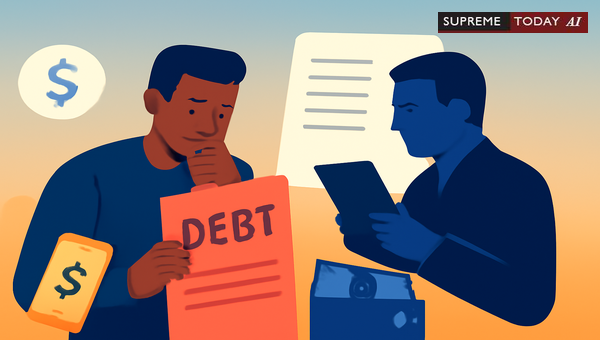
Laws Governing Debt Collectors in Malaysia: What You Need to Know
In today's economy, debt collection is a common practice for businesses recovering outstanding payments. But if you're a consumer facing aggressive debt collectors or a business hiring them, you might wonder: Are there any laws governing debt collectors in Malaysia? This question arises frequently amid concerns over harassment, unfair practices, and legal boundaries.
This blog post breaks down the legal landscape in Malaysia. While there's no dedicated statute like the U.S. , debt collection activities are regulated indirectly through existing laws. We'll explore key statutes, case law, and practical advice. Note: This is general information based on available legal documents and is not specific legal advice. Consult a qualified Malaysian lawyer for your situation.
No Standalone Debt Collection Law in Malaysia
Malaysia lacks a specific, standalone statutory law exclusively governing debt collectors—unlike jurisdictions with a 'Debt Collection Act.' Documents reviewed confirm no such dedicated legislation exists. Instead, debt collection falls under broader frameworks like contract law, insolvency rules, and .
For instance, the absence of explicit regulation means enforcement relies on general principles. Debt collectors must avoid unlawful conduct, such as or intimidation, which could trigger criminal or civil liability. This implicit framework ensures fair practices but leaves gaps compared to more prescriptive regimes.
Key Statutes Indirectly Regulating Debt Collectors
Several laws provide oversight:
: Unlicensed moneylending is illegal, and debt collection tied to such activities faces scrutiny. One document notes that financial transactions by entities like could be examined under this Act, implying debt collectors involved in unlicensed lending risk penalties.
It states: 's system of conducting transactions could be scrutinized under this Act.
: Governs and insolvency, key tools for debt recovery. Cases discuss these proceedings without regulating collector conduct directly.
Consumer Protection and Civil Laws: General protections against unfair practices apply. Malaysian Civil Law and consumer statutes regulate recovery activities, prohibiting fraud or harassment.
These laws emphasize compliance with and , with authorities enforcing via courts.
Insights from Malaysian Case Law
Court decisions highlight boundaries for debt collectors:
In one case, an individual was described as nothing more than a debt collector using a company as a facade, underscoring that collectors must operate legally or face challenges.
Debt recovery often involves , but aggressive tactics can be deemed unlawful under general principles. Cases stress adherence to anti-harassment and contract laws.
The Debt Recovery Tribunal handles certain disputes, though limited to specific debts. Consumers can sue for breaches under the . 2011 0 Supreme(Bom) 1236
Comparison with International Standards: Lessons from the FDCPA
Unlike Malaysia, the U.S. has the FDCPA, which explicitly curbs abusive practices. It prohibits false reports, deceptive means, and unauthorized fees. For example:
Debt collectors cannot use any in collections. 2021 Supreme(US)(ca2) 91
Disclosures must comply strictly, protecting against third-party abuses. 2022 Supreme(US)(ca7) 36 2021 Supreme(US)(ca8) 140
Congress aimed to eliminate by debt collectors. 2022 Supreme(US)(ca10) 101 2021 Supreme(US)(ca3) 33
Malaysia's framework doesn't mirror this detail but implicitly bans similar conduct via civil and criminal laws. This comparison underscores the need for clearer Malaysian regulations. 2023 Supreme(US)(ca9) 215 2023 Supreme(US)(ca8) 98 2025 Supreme(US)(ca11) 62
Prohibited Practices and Enforcement
Even without a dedicated law, certain actions are off-limits:- : Criminalized under general laws.- : Tied to unlicensed operations.
- : Breaches contract and consumer laws.
Enforcement occurs through courts, with affected parties filing suits. Businesses should document compliance to avoid liability.
Practical Recommendations for Compliance
- For Debt Collectors/Businesses:
- Obtain necessary licenses (e.g., under Moneylenders Act if applicable).
- Train staff on fair practices and anti-harassment rules.
Use court processes like winding-up for legitimate recovery.
For Consumers:
- Document interactions and report abuses to authorities.
- Seek legal aid for disputes via tribunals or courts. 2011 0 Supreme(Bom) 1236
Further legislation could benefit all parties by standardizing practices.
Conclusion and Key Takeaways
In summary, Malaysia has no specific law dedicated solely to debt collectors. Activities are governed by a patchwork of statutes like the , Companies Act, consumer protections, and case law.
Key Takeaways:- Rely on general legal principles for ethical collection.- Avoid unlicensed or aggressive tactics to prevent liability.- Compare to FDCPA for best practices, though not binding.- Always consult professionals for tailored advice.
Stay informed on evolving laws. For more on Malaysian legal topics, subscribe to our blog!
References:- Malaysian cases:
,
,
,
,
,
,
,
,
- International: Various USCA documents on FDCPA. #DebtCollectorsMY, #MalaysiaDebtLaw, #DebtRecoveryMY















