


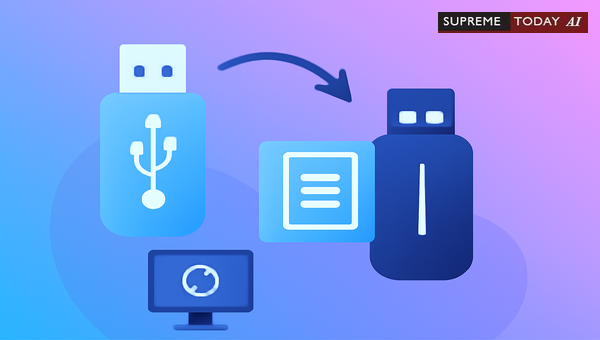
Clone Copy of Pen Drive: Legal Meaning Explained
In today's digital age, electronic devices like pen drives often hold critical evidence in legal cases. But what exactly does '' mean in a court of law? This term frequently arises in criminal investigations, forensic analysis, and trials involving digital data. Understanding it is vital for lawyers, investigators, and anyone dealing with electronic evidence to ensure compliance with legal standards and protect the right to a .
This article breaks down the concept, drawing from judicial precedents and forensic guidelines. We'll explore its definition, creation process, legal implications, and best practices. Note: This is general information based on case law and is not specific legal advice. Consult a qualified attorney for your situation.
What is a ?
A refers to an exact, bit-by-bit duplicate of the original pen drive, replicating all data, structure, and contents without alteration. It is essentially a forensic copy created to preserve the integrity of the original evidence for examination and legal proceedings. 2015 0 Supreme(Del) 192
Key Characteristics
- Exact Mirror Replica: Every bit of data, including hidden, deleted, or slack space files, is copied identically.
- Forensic Purpose: Used to analyze evidence without risking damage to the original device.
- Preserves Integrity: Allows courts to verify authenticity while enabling both prosecution and defense access.
As outlined in forensic procedures, this duplication uses specialized tools to create a ',' ensuring no data alteration occurs during copying. 2022 0 Supreme(Kar) 451 2021 0 Supreme(Kar) 2
Why Create a Clone Copy? Evidence Preservation Standards
In legal contexts, the original pen drive must remain untouched to maintain its . Courts emphasize retaining copies with proper labeling for .
Shivappa @ Shivanand Hittanagi VS State of Karnataka Represented By Its Public Prosecutor - Crimes (2022)
The process involves:- Labeling and Packing: Devices are labeled meticulously and packed in Faraday bags to prevent remote tampering or data alteration.- Controlled Environment: Originals are stored in dust-free, temperature-controlled conditions.
Details procedures for handling electronic evidence, including creating mirror images (clone copies), labeling, and preservation. 2022 0 Supreme(Kar) 451
This safeguards against contamination, making the clone in court provided the process is documented.
Judicial Context and Rights
Indian courts have repeatedly stressed providing clone copies to the accused for a . In one case, the court mandated supplying a clone of , like a victim's statement on a pen drive, to allow confrontation of witnesses. 2025 0 Supreme(Bom) 348
Prosecution must provide clone copy of relied upon. 2025 0 Supreme(Bom) 348
Similarly, under , accused are entitled to copies of relied-upon documents, including pen drive contents. Denial can infringe rights, as seen when a was directed to provide transcripts from audio/video statements on pen drives. The right includes access to prior statements for effective defense. 2025 0 Supreme(Bom) 348
In another instance, failure to supply a clone of a memory card/pen drive contents led to challenges under
Forensic and Technical Process
Creating a reliable clone requires certified tools. mark devices (e.g., 'PEN-1', 'PEN-2') and analyze clones for deleted data, as in cases involving sensitive information on Kingston pen drives. 2021 0 Supreme(UK) 168 2012 0 Supreme(Del) 1364
For example:- A 4GB Kingston pen drive was marked as PEN-2 for lab analysis.- Clones revealed deleted layers with defense secrets, prompting further Navy inquiry. 2012 0 Supreme(Del) 1364
Courts scrutinize compliance for . Visuals from pen drives copied via DVD/hard disk must meet certificate requirements, or they risk inadmissibility. 2021 0 Supreme(Ker) 202
The visuals displayed in Court suffered from the very same legal infirmity under S.65B of the Evidence Act. 2021 0 Supreme(Ker) 202
Legal Implications and Admissibility
A clone copy is if:- Creation process is documented (tools, personnel, environment).- is unbroken.- It complies with standards like those in the .
Improper handling can render it inadmissible. Courts may reject clones if forensic lapses exist. 2021 0 Supreme(Kar) 2
In conspiracy cases, pen drives with sting operation audio were produced, highlighting Section 65B's role in presuming electronic record truthfulness (rebuttable). 2018 0 Supreme(Guj) 328
Pen drives also feature in tax probes, where data recovery demands basis disclosure for fair reply. 2015 0 Supreme(Del) 2598
Exceptions, Limitations, and Risks
- Process Dependency: Reliability hinges on forensic methods; lapses lead to exclusion.
- Court Scrutiny: Judges verify authenticity, especially in high-stakes cases like violations. 2012 0 Supreme(Del) 1364
- Mandates: Prosecution must share clones; non-compliance invites quashing. 2025 0 Supreme(Bom) 348
In acquittals based on , doubts in pen drive visuals contributed to . 2021 0 Supreme(Ker) 202
Best Practices and Recommendations
To ensure clones hold up in court:1. Use Certified Tools: Employ forensic software for bit-for-bit imaging.2. Document Everything: Record labeling, hashing (MD5/SHA), .3. Secure Storage: Faraday bags, controlled environments for originals.4. Share with Accused: Provide clones/transcripts for defense preparation. 2015 0 Supreme(Del) 192
The purpose of creating a clone copy is to maintain the integrity of the original evidence while allowing for examination and analysis on a separate medium. 2022 0 Supreme(Kar) 451
Conclusion: Key Takeaways for Legal Professionals
A is a cornerstone of modern digital forensics, enabling safe evidence handling while upholding principles. By preserving exact replicas, it balances investigation needs with defense rights, as reinforced across cases.
Shivappa @ Shivanand Hittanagi VS State of Karnataka Represented By Its Public Prosecutor - Crimes (2022)
2025 0 Supreme(Bom) 348Key Takeaways:- Always create bit-for-bit clones for electronic evidence.- Comply with documentation and Section 65B for admissibility.- Ensure accused access to prevent trial fairness challenges.- Consult experts to avoid procedural pitfalls.
Stay informed on evolving digital evidence laws to strengthen your cases. For personalized guidance, reach out to a legal expert.
Word count: Approximately 1050. References are from judicial documents; full texts should be reviewed for complete context.
#DigitalEvidence,#ForensicCopy,#LegalTech












