


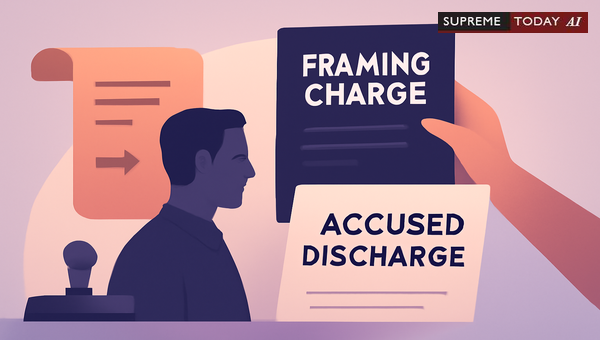
Effect of Compounding Before Charge Framing in India
Introduction
In the Indian criminal justice system, resolving disputes amicably can save time, resources, and relationships. One key mechanism for this is , where the complainant and accused agree to settle the matter. But what happens if this compounding occurs before the framing of charges? This question often arises in cases involving cheque bounce under the or other compoundable offences.
Understanding the effect of compounding before is crucial for accused persons, complainants, and legal practitioners. It can potentially lead to the , halting proceedings early. However, courts exercise discretion to ensure no occurs. This blog post delves into the legal framework, implications, case laws, and practical recommendations, drawing from Cr.P.C. provisions and judicial precedents. Note: This is general information and not specific legal advice. Consult a qualified lawyer for your case.
What Does Compounding Before Mean?
Compounding refers to the complainant's consent to forgive the offence, effectively withdrawing the intent to prosecute. Under Indian law, this is governed primarily by , which lists compoundable offences and the procedure for settlement with or without court permission.
The is a preliminary stage where the court decides if there's a case against the accused, informing them of the allegations. The purpose of framing charge is to make aware the accused as to under what provisions of law he was being charged. 2009 0 Supreme(P&H) 240
If compounding happens before this stage, it can short-circuit the trial process. Typically, for compoundable offences, this leads to the accused's discharge rather than proceeding to trial. If withdrawal is made before , the effect is discharge. 2007 0 Supreme(Mad) 261 2004 0 Supreme(Mad) 106
Key Legal Provisions Governing Compounding
Section 320 Cr.P.C.: The Core of Compounding
This section allows compounding of specified offences with the complainant's consent. For , court permission is needed, but many like Section 138 NI Act are compoundable. The process must follow statutory norms, including fee deposits in some cases.
: Errors in Charge Framing
Even if charges are not framed due to compounding, proceedings aren't invalidated unless there's a . No finding, sentence, or order by a competent court shall be deemed invalid solely due to the absence of a charge or errors in framing it, unless a has occurred. 2023 1 Supreme 681 If such failure is found, the court may order charge framing and resume trial. 2023 1 Supreme 681
Overriding Provisions
has an overriding effect: Section 147 will have an overriding effect over the provisions of the Code relating to compounding of offences. 2023 0 Supreme(P&H) 1729 This allows compounding even at appellate stages, but early settlement before charges is preferable.
Implications of Compounding Before Charge Framing
Compounding at this early stage has profound effects:- Discharge of Accused: The accused is often discharged, as the matter is amicably resolved. If compounding is allowed before the charge is framed, the accused may be discharged from the proceedings. This is because the essence of compounding is to resolve the matter amicably, negating the need for a formal charge. 2015 0 Supreme(MP) 1246- Judicial Discretion: Courts verify the settlement's genuineness. If valid, proceedings may be quashed. The court retains discretion to evaluate whether the compounding has been appropriately executed and whether it meets the statutory requirements. If the compounding is valid, it can lead to the quashing of the proceedings against the accused. 2023 4 Supreme 711- No : Courts ensure no prejudice. At charge framing, only evidence is sifted, not full proof. The process of framing charges is distinct from final guilt determination; it involves a assessment based on available evidence, without meticulous examination of proof. (From sources like 2024 0 Supreme(Raj) 203)- Post-Charge Scenarios: After charges, compounding may lead to , not discharge. No discharge can be ordered after the charge is framed. But if it is made after framing of the charges, it is . 2007 0 Supreme(Mad) 261
In police report cases, magistrates can discharge under Section 239 after hearing parties, even post-examination. This is to be done before the framing of the charge. While in the instant case, the case being instituted on a police report, the legislature has given powers to the Magistrate under even to discharge the accused... 2005 0 Supreme(Del) 660
Case Law Insights
Judicial precedents clarify these effects:- JIK Industries Limited v. Amarlal V. Jumani (2012): The ruled that compounding must strictly follow statutes. Company schemes under don't automatically compound NI Act offences; complainant's consent is mandatory. . - 2023 4 Supreme 711 2012 1 Supreme 668- (. - _HC_CGHC010083242021): The petitioner is at liberty to question the order framing charge... effect of composition is to amount to an composition of an offence was permissible under the law the effect... compounded by learned Special Judge... This highlights challenges to charge framing post-compounding.- (2025 Supreme(Online)(Mad) 74163): In NI Act cases, post-conviction compounding led to : The order of conviction and sentence recorded by all courts is set aside and he is acquitted of the charge levelled against him. Early compounding avoids such lengthy processes.
Courts emphasize: If parties seek to compound the offence before the charge is formally explained or framed, courts may permit this, and the process can be completed even before the formal explanation, provided procedural requirements are satisfied. 2024 0 Supreme(Bom) 869
Practical Considerations and Limitations
- : Offences involving or under special statutes may not allow compounding. 2023 0 Supreme(UK) 507
- Verification by Court: Judges check for coercion or public interest issues. Courts have the authority to allow compounding of offences, especially those listed under Section 320 Cr.P.C., provided the parties genuinely agree and the court verifies the authenticity of the settlement. 2023 0 Supreme(Jhk) 839
- Stage: Before framing, hear submissions: charges the Sessions Judge has to hear the submissions of the accused and the prosecution... before framing charge. 1989 0 Supreme(All) 284
Conclusion and Key Takeaways
Compounding before framing of charges generally results in the accused's discharge, promoting amicable resolutions while upholding justice. Courts ensure procedural compliance under Sections 320 and 464 Cr.P.C., preventing miscarriages.
Key Takeaways:- Seek compounding early to aim for discharge.- Obtain complainant's consent and deposit fees.- Document agreements meticulously.- Be ready for court scrutiny on validity.
This overview is for informational purposes. Legal outcomes vary by facts; always seek professional advice.
References:2023 1 Supreme 681 2015 0 Supreme(MP) 1246 2023 4 Supreme 711 2012 1 Supreme 668 2014 2 Supreme 134 2022 0 Supreme(MP) 138. -
- Chhattisgarh
2025 Supreme(Online)(Mad) 74163 2023 0 Supreme(P&H) 1729 2009 0 Supreme(P&H) 240 2007 0 Supreme(Mad) 261 2005 0 Supreme(Del) 660 2004 0 Supreme(Mad) 106 1989 0 Supreme(All) 284 2023 0 Supreme(Jhk) 839 2024 0 Supreme(Bom) 869 #CompoundingOffences #CrPCIndia #LegalInsights












