


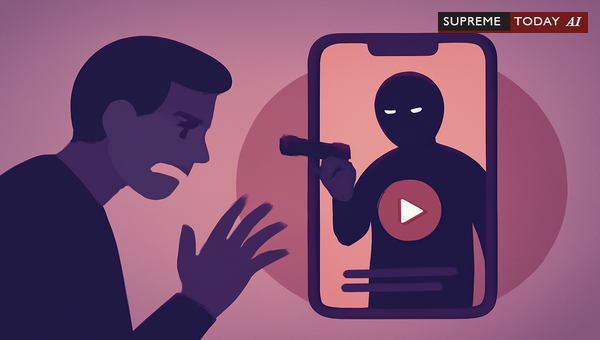
Threatening to Viral Obscene Video: Legal Risks in India
In today's digital age, the rapid spread of content online has empowered both creators and abusers. One alarming trend is individuals threatening to make obscene videos—often involving girls or women—viral on social media or messaging platforms. But if a person threatens to viral an obscene video of a girl, does this constitute a crime? This question raises serious concerns about , , and exploitation under Indian law.
This blog post delves into the legal framework, key provisions, judicial precedents, and practical advice. While this is general information based on established laws and cases, it is not a substitute for professional legal advice. Consult a qualified lawyer for your specific situation.
Understanding the Legal Issue
Threatening to disseminate obscene material, such as private intimate videos, without consent is not just morally reprehensible—it's often illegal. These acts frequently involve coercion, , or tactics, targeting victims to silence them or extract compliance. Courts in India have repeatedly addressed such cases, emphasizing the psychological trauma and societal harm involved, especially when minors are victims.
For instance, in various judgments, perpetrators have been accused of recording obscene videos and threatening to share them widely. One case highlights how an applicant was involved in making viral the said video but in keeping storage and possession of such obscene material and instigated the victim to record and share it, underscoring needs for offenses against minors. 2025 0 Supreme(Guj) 881
Key Legal Provisions
Indian law provides robust tools to combat these threats through criminal statutes:
: This penalizes the publishing or transmitting of sexually explicit material. Importantly, the mere threat to make such material viral can qualify as an offense, even without actual dissemination, as it demonstrates intent to commit the act.
: Targets the sale, distribution, or exhibition of obscene materials. The has ruled that private viewing isn't criminal, but circulation or threats to circulate trigger liability. 2024 0 Supreme(Mad) 4
Additional provisions like (), (), and () may apply, alongside if minors are involved.
Judicial Precedents and Case Law
Indian courts have consistently treated these threats as grave offenses, often denying bail due to the risk of further harm.
and : Threats to release obscene videos for ransom or compliance are common. In one instance, a petitioner threatened release unless ransom was paid. 2015 0 Supreme(HP) 1625 Courts view this as under .
Sexual Exploitation Cases: Perpetrators often threaten victims post-assault to prevent reporting. A case involved threats to viral a video if the victim reported, combining sexual assault and . 2024 0 Supreme(All) 221 Similarly, in another, the accused made an obscene video viral after denial of cooperation, with the victim under 18. 2020 0 Supreme(MP) 821
Viral Sharing and Possession: Accused have been held for storing and sharing via WhatsApp. One FIR noted a co-accused sent the video, but the threat alone implicated others. 2023 Supreme(Online)(MP) 20714 Another dismissed improbability claims, affirming offenses against girl children.
Bail Denials: Courts stress severity, especially with minors. In a case, bail was denied citing threats' gravity. 2023 Supreme(Online)(Pat) 6170 Another involved a teacher seen abusing a victim in a viral WhatsApp video. 2022 0 Supreme(Telangana) 766
: Cumulative threats, like making edited obscene videos viral, have led to abetment charges. 2022 0 Supreme(All) 997
These precedents show courts prioritize victim protection, often requiring . 2021 0 Supreme(J&K) 628
Real-World Examples from Case Snippets
A perpetrator forcibly made physical relations, captured obscene photos/videos, and threatened to viral them to spoil the victim's future.
False claims of no viral involvement were rejected when evidence showed sharing.
Victims coerced into friendships via sent obscene videos, highlighting digital grooming. 2023 Supreme(Online)(MP) 20714
Such patterns reveal a malicious use of platforms like WhatsApp and social media for harassment. 2022 Supreme(Online)(MP) 8120 2022 Supreme(Online)(MP) 7643
Consequences and Bail Considerations
Convictions can lead to imprisonment (up to 5-10 years under IT Act/IPC), fines, and permanent records. Bail is typically denied in heinous cases due to tampering risks and victimization potential. 2022 0 Supreme(MP) 123 2023 Supreme(Online)(Pat) 6170
Recommendations for Victims
If facing such threats:- Document Everything: Save screenshots, messages, and timestamps.- File a Complaint: Approach cyber cells or police under relevant sections.- Seek Protection: Apply for restraining orders or anticipatory bail if needed.- Civil Remedies: Pursue defamation or damages for emotional distress.- Support Services: Contact NGOs like women's helplines (1091) or cybercrime portals.
Prevention involves digital literacy—avoid sharing intimate content and use privacy settings.
Conclusion and Key Takeaways
Threatening to viral an obscene video is generally prosecutable under IT Act Section 67-A, IPC 292, and related laws, backed by precedents treating it as , exploitation, or cybercrime. Courts act decisively, especially for minors, to deter digital abuse.
Key Takeaways:- Threats alone can lead to charges—no actual sharing required.- Victims have strong legal recourse; act swiftly.- Perpetrators face severe penalties and bail hurdles.
Stay vigilant in the digital world. For personalized guidance, consult a legal expert.
References:- IT Act, 2000; IPC Sections 292, 384, etc.- Cases: 2025 0 Supreme(Guj) 881, 2015 0 Supreme(HP) 1625, 2021 0 Supreme(J&K) 628, 2024 0 Supreme(Mad) 4, 2022 0 Supreme(All) 997, 2024 0 Supreme(All) 221, 2020 0 Supreme(MP) 821, 2022 0 Supreme(MP) 123, 2022 0 Supreme(Telangana) 766,
,
,
, 2023 Supreme(Online)(MP) 20714, 2023 Supreme(Online)(Pat) 6170, 2022 Supreme(Online)(MP) 8120, 2022 Supreme(Online)(MP) 8117, 2022 Supreme(Online)(MP) 7643 #CyberBlackmail, #ObsceneVideoThreat, #IndianCyberLaw















