


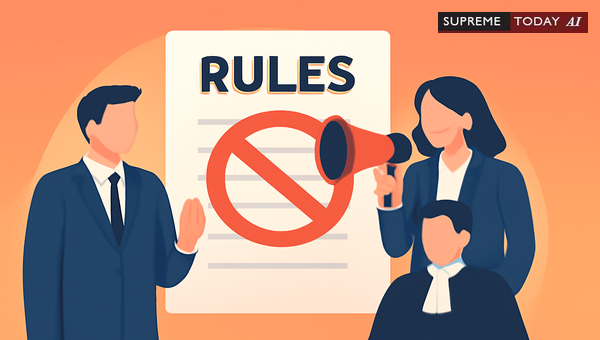
Bar Council Rules on Advocate Advertising Explained
In the noble profession of law, maintaining dignity and ethical standards is paramount. Advocates in India are held to high moral benchmarks, and one area that often raises questions is advertising. What exactly constitutes advertising under Bar Council rules, and why is it strictly prohibited? This blog post delves into the Rules, judicial interpretations, and related regulations to provide clarity for legal professionals, students, and the public.
Whether you're an aspiring lawyer wondering about self-promotion or a firm navigating ethical boundaries, understanding these rules is crucial to avoid misconduct charges. Note: This is general information based on established precedents and should not be considered specific legal advice. Consult a qualified professional for your situation.
What Constitutes Advertising as Per Bar Council Rules?
The question What is Advertising as Per Bar Council Rules is central to professional conduct for advocates. As per the Rules, 1975, particularly , advertising by advocates is explicitly prohibited and deemed serious misconduct. The rule states:
An Advocate shall not or advertise, either directly or indirectly whether by circulars, advertisements, , personal communications, interviews not warranted by , furnishing or inspiring newspaper comments or procuring his photograph to be published in connection with cases in which he has been engaged or concerned.1997 0 Supreme(HP) 52
This broad definition covers not just traditional ads but also indirect solicitations like , unwarranted interviews, or media comments designed to attract clients. Even signboards, name-plates, or stationery boasting prestigious positions are restricted if they smack of self-promotion. The explanation underscores that such actions are inconsistent with the professional ethics of advocates. 1997 0 Supreme(HP) 52
Key Prohibitions at a Glance
- Direct Advertising: No circulars, billboards, or public ads.
- Indirect Solicitation: No , personal communications outside , or inspired media coverage.
- Visual Promotion: No photos in connection with cases or exaggerated professional claims on professional materials.
- Consequences: Violation is serious misconduct, undermining the profession's dignity. 1997 0 Supreme(HP) 52
Rationale: Upholding the Dignity of the Legal Profession
The prohibition stems from the tradition of viewing advocacy as a noble calling rather than a commercial enterprise. The preamble to the rules and judicial commentary emphasize maintaining high standards of conduct, decorum, and dignity. 2023 0 Supreme(Raj) 2086
Advertising introduces commercialism, potentially eroding public confidence and lowering ethical standards. The has termed it reprehensible conduct incompatible with the profession's noble nature. 1997 0 Supreme(HP) 52 In one judgment, it was noted that such practices have been considered misconduct for ages as they diminish the dignity of the profession and administration of justice. 1997 0 Supreme(HP) 52
This aligns with the , which empowers the to frame rules for professional ethics under .
Judicial and Professional Viewpoints
Courts have consistently upheld this ban. In key rulings, advertising is seen as a breach that invites disciplinary action. For instance, the judiciary reinforces that advocates must avoid anything resembling solicitation to preserve the profession's esteemed status. 2023 0 Supreme(Raj) 2086
Broader Bar Council regulations echo this ethical focus. For example, rules on enrollment prohibit advocates from engaging in other vocations, ensuring full-time commitment to the profession without divided loyalties. 2020 0 Supreme(Guj) 881 Similarly, govern employee conduct, emphasizing discipline and ethics. 2017 0 Supreme(All) 2363
In cases involving , courts have addressed related issues like by advocates, highlighting the high bar for conduct. 2021 0 Supreme(Mad) 2612 These precedents reinforce that ethical lapses, including promotional overreach, tarnish the fraternity.
Exceptions and Permitted Activities
While strict, the rules allow certain non-solicitous activities:- Legal Education and Coaching: Allowed if within ethical bounds and with prior Bar Council approval. 1997 0 Supreme(HP) 52- Broadcasting or Setting Questions: Permissible as professional contributions, not client-attraction tools.- Name Plates and Stationery: Basic professional identification is fine, but no boastful claims.
These exceptions prevent the rule from stifling legitimate knowledge-sharing while curbing commercialization.
Related regulations, such as those on Bar Council elections, stress transparency and fairness, indirectly supporting anti-promotional stances by avoiding arbitrary fees or processes that could mimic advertising. 2026 0 Supreme(AP) 9 2023 0 Supreme(Pat) 398
Broader Context from Bar Council Regulations
The Bar Council's oversight extends beyond advertising. For instance:- Enrollment Rules: of various rules, aligned with BCI standards, bar enrollment for those in other employment to prevent conflicts. Courts have quashed restrictive interpretations to ensure access while upholding ethics. 2020 0 Supreme(Guj) 881- Resumption of Practice: Fees for resuming practice after suspension are strictly per BCI rules; State additions are without approval. 2017 0 Supreme(Ker) 1521- Election and Management Rules: Uniform model rules empower councils to manage associations democratically, free from undue influences. 2023 0 Supreme(Pat) 398
These interconnected rules paint a picture of a regulated ecosystem prioritizing integrity over promotion.
In contrast, advertising in other sectors like television faces different codes (e.g., ), but for advocates, the bar remains absolute. debates highlight regulatory nuances elsewhere, but they don't apply here.
Recommendations for Advocates and Firms
To stay compliant:1. Focus on Reputation: Build clientele through referrals and quality work, not promotion.2. Review Materials: Ensure websites, social media, and profiles avoid solicitation language.3. Seek Approvals: For educational activities, obtain Bar Council nod.4. Train Staff: Educate on rules to prevent inadvertent violations.
Law firms should prioritize ethical branding over aggressive marketing.
Key Takeaways
- Advertising, direct or indirect, is misconduct under . 1997 0 Supreme(HP) 52
- It protects the profession's dignity and public trust. 2023 0 Supreme(Raj) 2086
- Exceptions are narrow; always err on caution.
- Broader BCI rules reinforce ethical conduct across enrollment, practice, and governance.
By adhering to these principles, advocates uphold the profession's honor. For personalized guidance, reach out to the Bar Council or legal ethics experts. Stay ethical, stay noble.
This post draws from Bar Council Rules and judgments like 1997 0 Supreme(HP) 52 and 2023 0 Supreme(Raj) 2086. Always verify latest updates.
#BarCouncilRules, #AdvocateEthics, #LegalAdvertising















